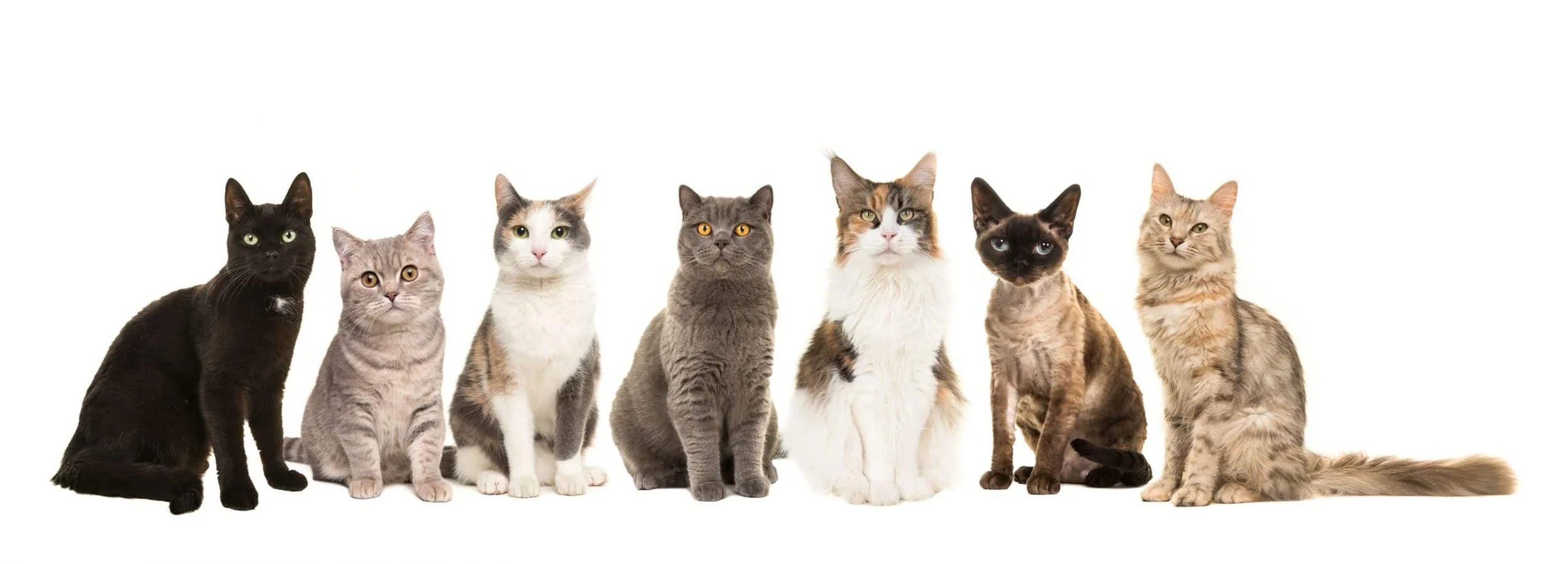
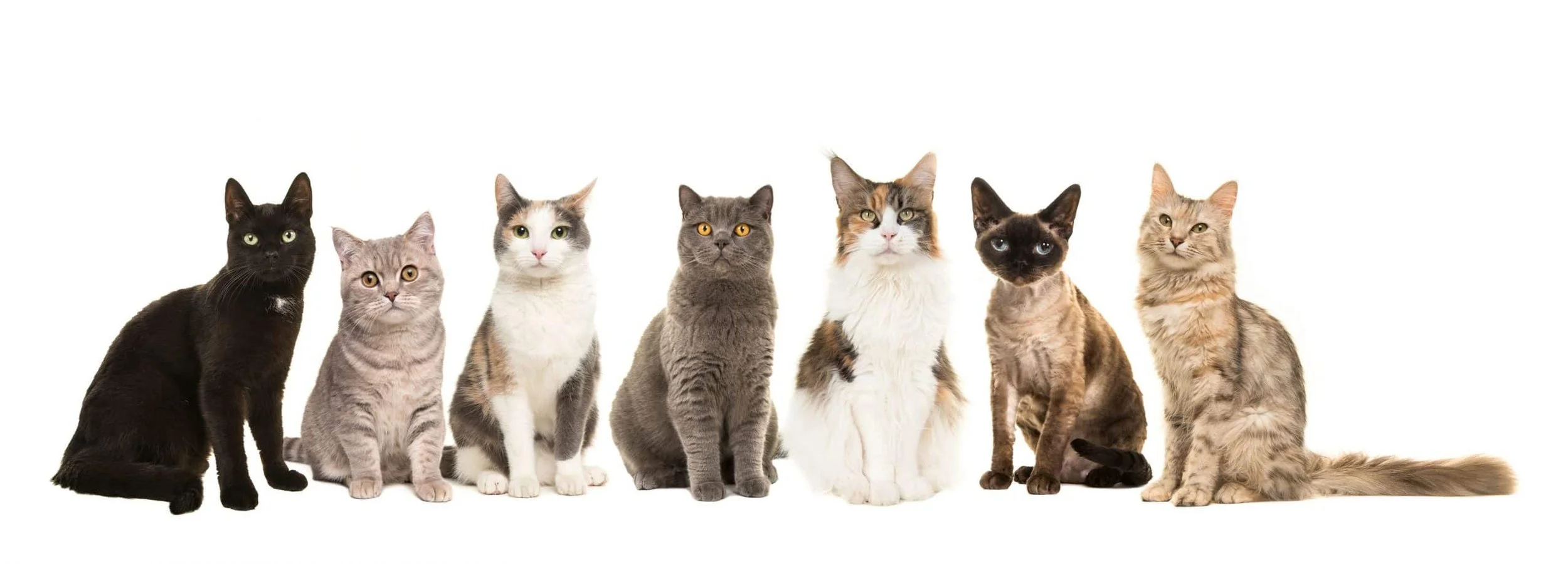
Cats are known for their calming presence and gentle companionship. They can help reduce stress, anxiety, and feelings of loneliness. For many people with mental health challenges, a cat can be more than a pet, it can be a source of emotional support. If you are thinking about getting a cat for comfort, it helps to know about different cat breeds and how emotional support animal letters work.
Why Cat Personality Matters
When looking for a cat as an emotional support animal, personality is more important than looks. You want a cat that is calm, affectionate, and enjoys being around people. Some cat breeds are naturally known for these qualities and can make excellent companions.
Popular Cat Breeds for Emotional Support
Ragdoll
Ragdolls are one of the most popular breeds for emotional support. They are gentle, quiet, and very affectionate. Ragdolls often go limp when picked up, which is how they got their name. They enjoy following their owners around the house and being close to them, making them ideal for people who need a calm and loving companion.
Maine Coon
Maine Coons are large, fluffy, and friendly. They are intelligent and social without being demanding. Maine Coons often form strong bonds with their owners and provide steady emotional comfort through their loyal and gentle nature.
British Shorthair
British Shorthairs are calm and easygoing cats. They are not very active or loud, which makes them perfect for people who prefer a quiet home environment. British Shorthairs enjoy being near their owners and offer companionship without constantly seeking attention.
Siamese
Siamese cats are very affectionate and social. They are known for being vocal and forming strong attachments to their humans. If you want a cat that engages with you and provides interactive emotional support, a Siamese could be a perfect choice.
Persian
Persians offer calm and soothing companionship. They enjoy peaceful environments and love relaxing with their owners. Their gentle personality can help create a calm atmosphere for people dealing with stress or anxiety.
Scottish Fold
Scottish Folds are sweet and loving cats. They are known for their distinctive folded ears and affectionate temperament. Scottish Folds enjoy cuddling and staying close to their owners, making them comforting companions for those who need emotional support.
Sphynx
Sphynx cats, despite having no fur, are extremely social and affectionate. They love attention and warmth and often seek close contact with their owners. Sphynx cats can provide constant companionship and emotional support for people who need it.
Mixed Breed Cats
While breed traits are helpful, every cat has a unique personality. Many mixed breed cats from shelters also make excellent emotional support animals. Rescue cats often form strong bonds with their new owners, providing comfort and companionship that is deeply meaningful.
Understanding Emotional Support Animal Letters
If you need a cat for emotional support due to a mental health condition, you may need an emotional support animal letter, also called an ESA letter. This is a document written by a licensed mental health professional. It confirms that you have a mental or emotional condition and that a cat is part of your treatment plan.
An ESA letter can give you legal protections under federal and state laws. In the United States, the Fair Housing Act allows people with a valid ESA letter to live with their cat even in housing that has a no-pets policy. Landlords may be required to make reasonable accommodations, though certain rules and exceptions apply.
How to Get an ESA Letter
To get an ESA letter, you need to consult a licensed mental health professional like a psychologist, psychiatrist, therapist, or social worker. They will assess your condition and decide if an emotional support animal is appropriate for you. If approved, they will provide a signed letter on official letterhead.
It is important to avoid online scams that offer ESA letters without proper evaluation. A legitimate ESA letter requires a real assessment by a qualified professional. Always check credentials and follow legal guidelines.
Caring for Your Emotional Support Cat
Emotional support cats do not need special training like service animals. Their main role is to provide comfort through their presence. However, it is important that your cat is healthy, well behaved, and manageable in your living space.
Conclusion
Cats can provide emotional support through their affection, companionship, and calming presence. Breeds like Ragdolls, Maine Coons, Siamese, Persians, Scottish Folds, and even mixed breed cats can make excellent companions. With a proper emotional support animal letter from a licensed professional, you may gain housing protections and peace of mind. Choosing the right cat and understanding ESA requirements can help improve your mental well-being and bring comfort to your daily life.