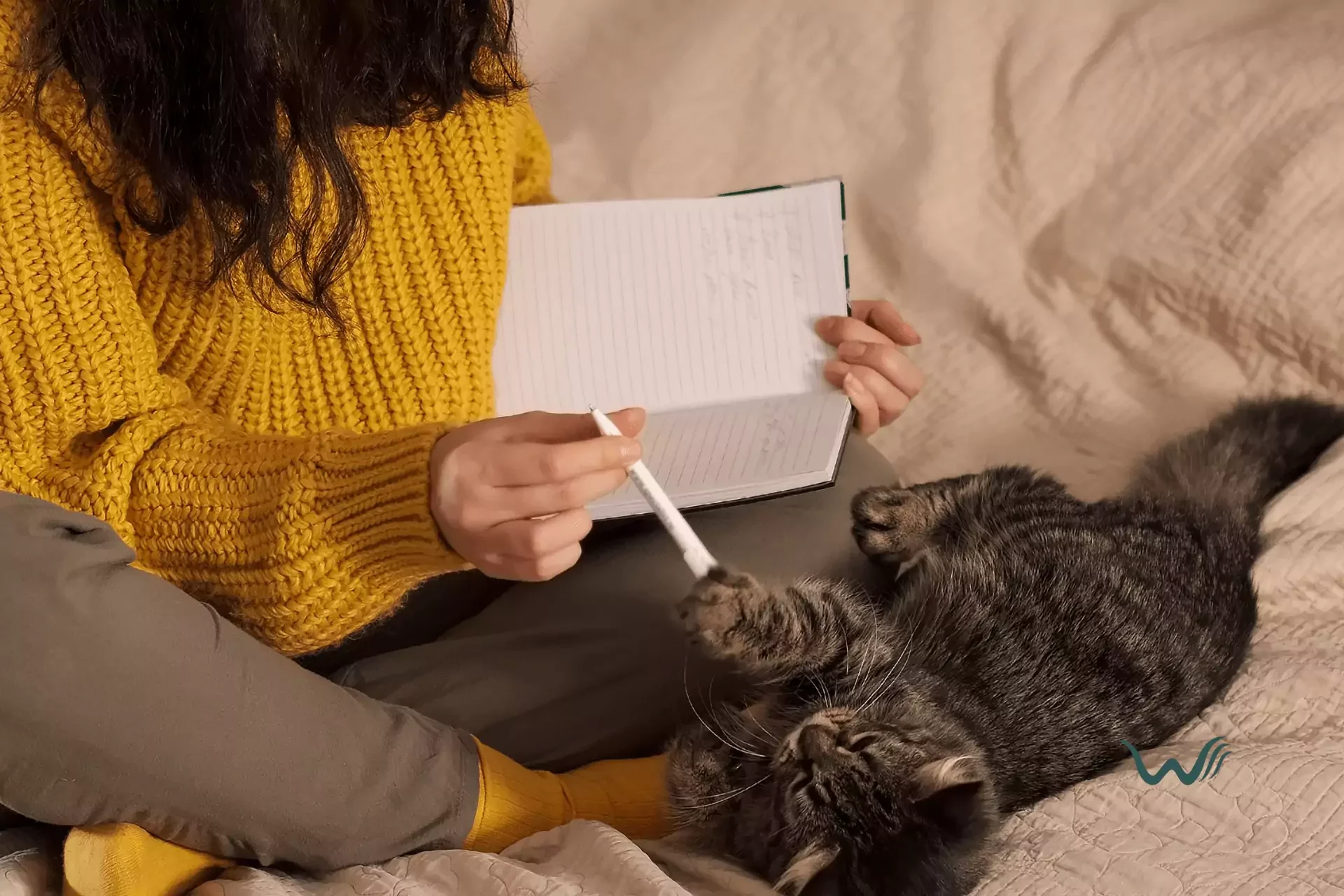
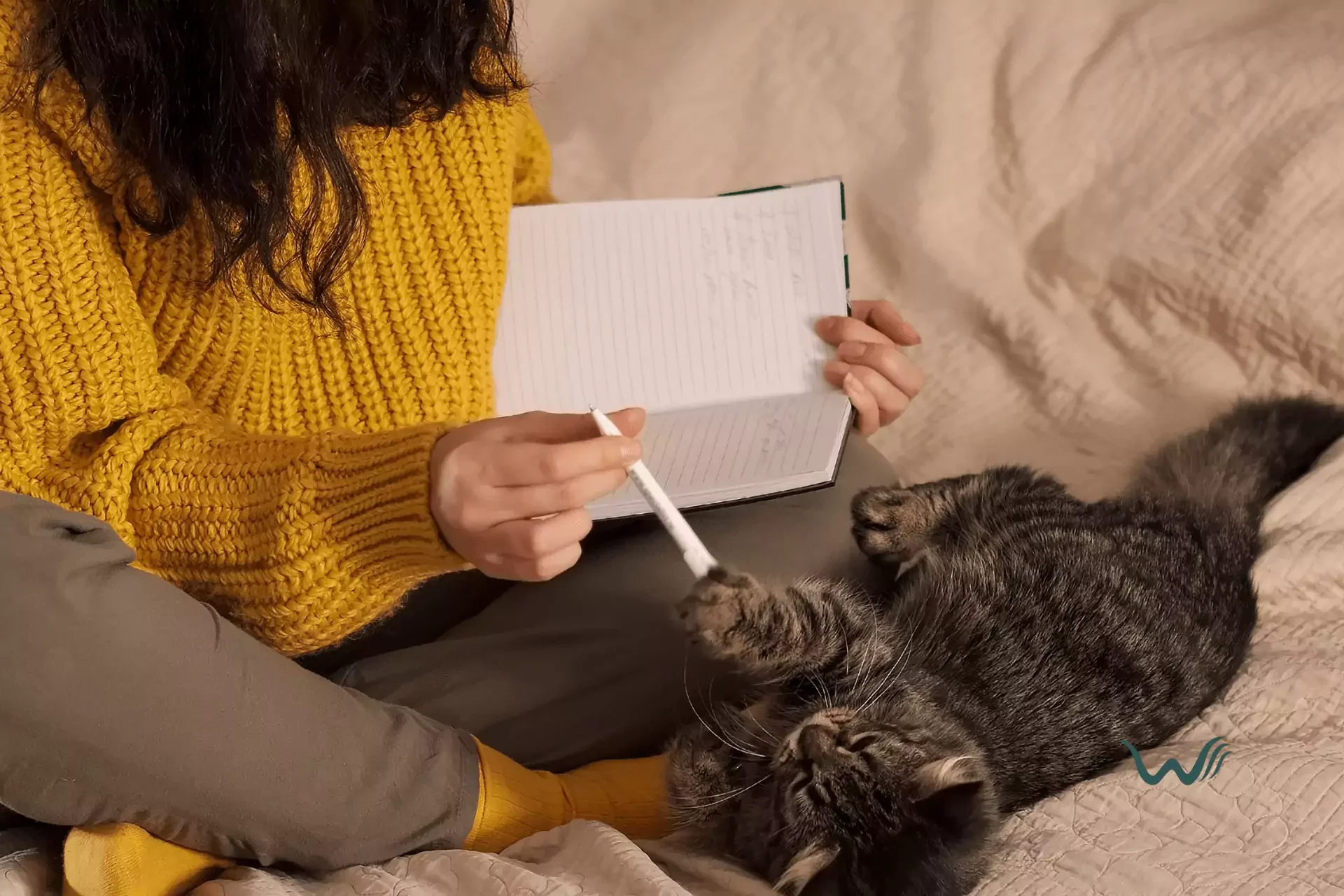
Living in a college dorm can be exciting, but it can also be stressful. Many students experience anxiety, depression, or other mental health challenges while adjusting to campus life. An emotional support animal, or ESA, can provide comfort and companionship, helping students manage these challenges. To have an ESA in a dorm, students usually need an emotional support animal letter, a document that proves the need for the animal.
What is an Emotional Support Animal Letter
An emotional support animal letter is a formal document written by a licensed mental health professional, such as a psychologist, psychiatrist, or therapist. The letter confirms that a student has a mental health condition and that having an emotional support animal is important for their well-being. Unlike service animals, ESAs do not need special training, but the letter is essential to make sure dorm administrators allow the animal in housing that normally does not allow pets.
Why Dorms Require an ESA Letter
Most college dorms have strict no-pet policies. These rules help keep the dorm clean, reduce allergies, and avoid disturbances. However, under U.S. federal law, including the Fair Housing Act, students with mental health conditions can request reasonable accommodations. The ESA letter serves as proof that the accommodation is necessary, allowing students to have their support animal in dorms legally.
How to Get an ESA Letter for Dorms
To get an ESA letter, a student needs a mental health evaluation. A licensed professional will assess the student’s mental health and decide if an emotional support animal is needed. The letter usually includes the professional’s license information, a statement about the student’s condition, a recommendation for the ESA, and the professional’s signature and date. Most colleges require the letter to be recent, usually within the last year, and may ask students to submit it to the student accessibility office.
Choosing the Right ESA for Dorm Life
Not all animals are suitable for dorms. Small and low-maintenance pets, like cats, small dogs, or certain rodents, are usually the best choice. Students should consider dorm rules, possible allergies of roommates, and how well the animal can live in a small space. The right ESA can provide comfort without causing problems in shared housing.
Benefits of Having an ESA in Dorms
Emotional support animals can help students feel less lonely, stressed, and anxious. In dorms, ESAs can reduce homesickness and support academic performance. Interacting with animals increases chemicals in the brain, like serotonin and dopamine, that improve mood and calmness. Having an ESA nearby can also encourage students to maintain routines, get outside, and take breaks, which improves overall well-being.
Responsibilities of ESA Owners in Dorms
Students must care for their ESA properly. This includes feeding, exercising, and keeping the animal clean. It is also important to respect roommates and neighbors by making sure the animal does not cause disruptions. Proper care helps ensure a positive experience and keeps the housing accommodation protected under federal guidelines.
Common Misconceptions About ESA Letters
Some students think any online letter works for dorms. Many colleges require letters from licensed mental health professionals. Emotional support animals are not the same as service animals under the Americans with Disabilities Act, so dorm rules may be different from public spaces. Accurate and up-to-date documentation is important to avoid issues with housing approval.
Conclusion
An emotional support animal letter for dorms is important for students who need a companion to manage mental health challenges. It provides legal proof to have an ESA in housing that usually does not allow pets. By getting a valid letter, choosing a suitable animal, and taking proper care, students can enjoy the emotional support and benefits of living with a companion in dorms. If you are thinking about an ESA in your dorm, start by consulting a licensed mental health professional to make sure your letter meets housing requirements, giving you support and peace of mind.