Many people are confused about the difference between an emotional support animal vs service animal. The terms are often used the same way, but they are very different under the law. If you are thinking about getting support from an animal, it is important to understand how each type works and what rights come with them.
This guide explains the key differences between a service animal and an emotional support animal in simple and clear language.
What Is a Service Animal?
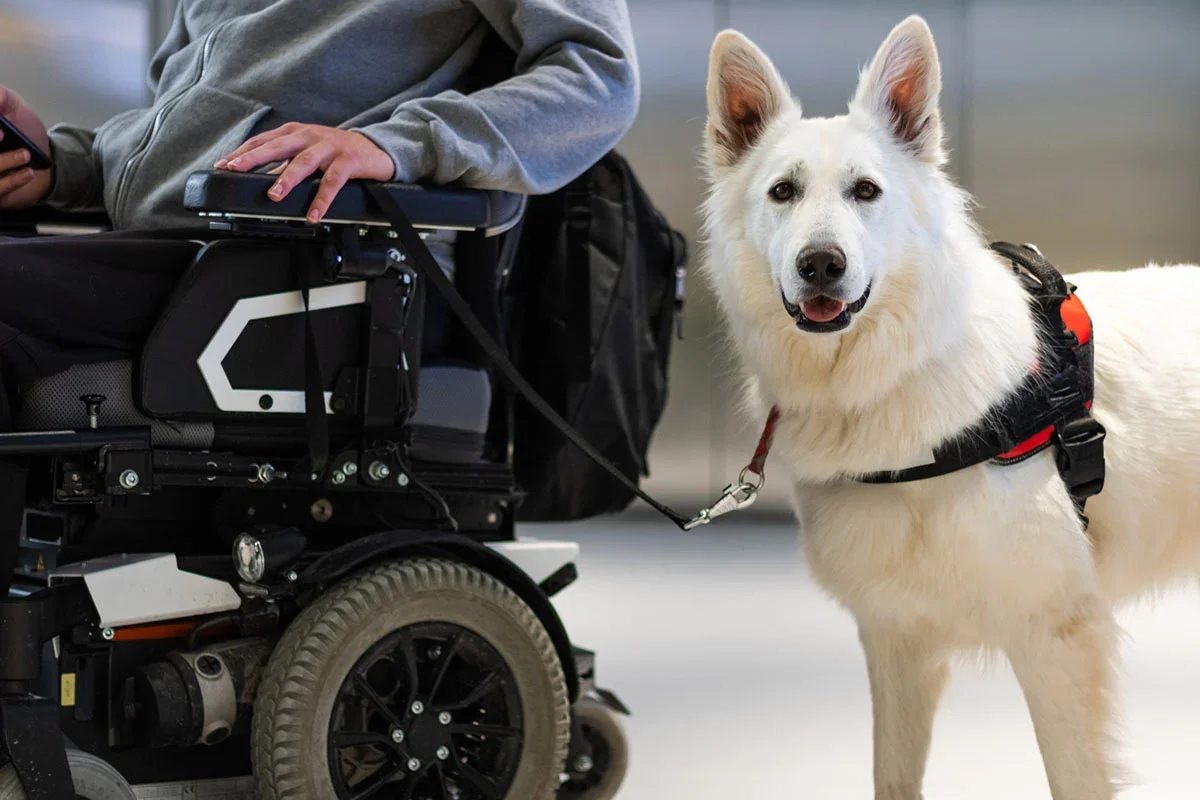
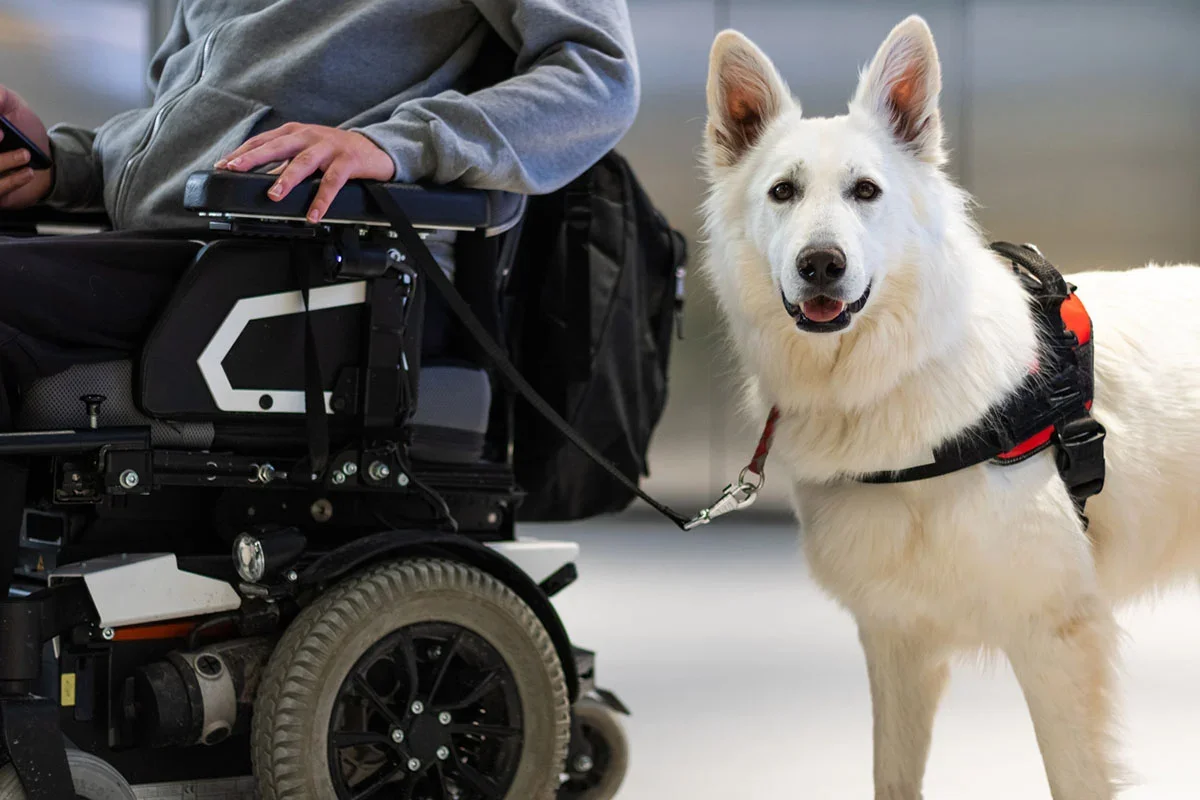
A service animal is a dog that is trained to perform specific tasks for a person with a disability. Under the Americans with Disabilities Act, a service animal must be trained to help with a physical or psychiatric disability.
The most important factor is task-based training. A service dog does not simply provide comfort. It performs actions that directly help with a disability. For example, a service dog may guide a person who is blind, alert someone who is deaf, pull a wheelchair, detect seizures, remind a person to take medication, or interrupt harmful behaviors caused by a psychiatric condition.
Because service animals are trained working dogs, they are allowed in most public places. Restaurants, stores, hotels, hospitals, and other businesses must allow service dogs inside, even if pets are not allowed.
Service animals do not need official certification or registration. There is no national registry required by federal law. What matters is that the dog is trained to perform specific tasks related to a disability.
What Is an Emotional Support Animal?
An emotional support animal, also called an ESA, provides comfort and emotional stability to a person with a mental or emotional condition. Unlike service animals, emotional support animals are not required to have special task training.
The main purpose of an emotional support animal is companionship. Their presence can help reduce anxiety, depression, PTSD symptoms, and other mental health challenges. They do not perform trained tasks like service dogs do.
To qualify for an emotional support animal, you must have a diagnosed mental or emotional condition. A licensed mental health professional must provide an emotional support animal letter. This letter confirms that the animal is part of your treatment plan.
Emotional support animals are protected under the Fair Housing Act. This means landlords must make reasonable accommodations, even in housing with no pet policies. However, emotional support animals do not have the same public access rights as service animals.
Legal Differences Between Emotional Support Animals and Service Animals
One of the biggest differences between an emotional support animal vs service animal is where they are legally allowed.
Service animals are protected in public places under federal law. Businesses must allow them inside. Staff can only ask if the dog is required because of a disability and what task it is trained to perform. They cannot demand proof, certification, or medical records.
Emotional support animals do not have public access rights. A restaurant or store does not have to allow an ESA inside. They are mainly protected in housing situations.
Air travel rules have also changed in recent years. Most airlines now recognize only trained service dogs. Emotional support animals are usually treated as regular pets and may require pet fees or restrictions.
Training Requirements
Training is one of the clearest differences between a service animal and an emotional support animal.
Service dogs must be trained to perform specific tasks that help manage a disability. This training can take a long time and requires a high level of discipline and control. The dog must behave properly in public settings.
Emotional support animals do not need special training. They should be well behaved, but their main role is to provide comfort through companionship. Emotional support animals can be dogs, cats, or other common household animals, as long as they are reasonable for housing.
Documentation Requirements
Service animals do not require official paperwork under federal law. There is no legally recognized service animal certificate. Many online registries claim to offer certification, but these are not required by law.
Emotional support animals require a valid ESA letter from a licensed mental health professional. This letter must state that you have a qualifying mental health condition and that the animal provides necessary emotional support.
Be careful with online services that promise instant approval without a proper evaluation. A legitimate emotional support animal letter should come from a licensed provider who assesses your mental health needs.
Choosing the Right Option
When deciding between an emotional support animal vs service animal, think about your specific needs.
If you need a dog that performs trained tasks to help with a physical or psychiatric disability, a service animal may be the right choice. These dogs provide active assistance and have broad legal access rights.
If you need comfort, emotional support, and stability for a mental health condition, an emotional support animal may be more appropriate. In that case, you should speak with a licensed mental health professional about getting a proper ESA letter.
It is important not to misrepresent an emotional support animal as a service animal. Doing so can lead to fines or legal trouble in some states.
Conclusion
Understanding the difference between an emotional support animal vs service animal can help you make the right decision. Service animals are specially trained dogs that perform specific tasks related to a disability and are allowed in most public places. Emotional support animals provide comfort for mental and emotional conditions but have limited legal protections, mainly in housing.
Both types of animals can provide meaningful support when used properly. The key is knowing your needs, following the law, and choosing the option that truly fits your situation.