An emotional support animal, or ESA, is a pet that helps people feel calmer and more stable emotionally. ESAs provide comfort and support to people with mental or emotional health challenges. Unlike service animals, emotional support animals do not need special training. Their main job is to offer companionship and emotional relief.
ESAs can help people with conditions such as anxiety, depression, post-traumatic stress disorder (PTSD), panic disorders, and stress-related issues. Many owners find that having an ESA improves their daily life, reduces feelings of loneliness, and helps them cope with emotional challenges.
How Are Emotional Support Animals Different?
It is important to know how emotional support animals are different from service animals and therapy animals.
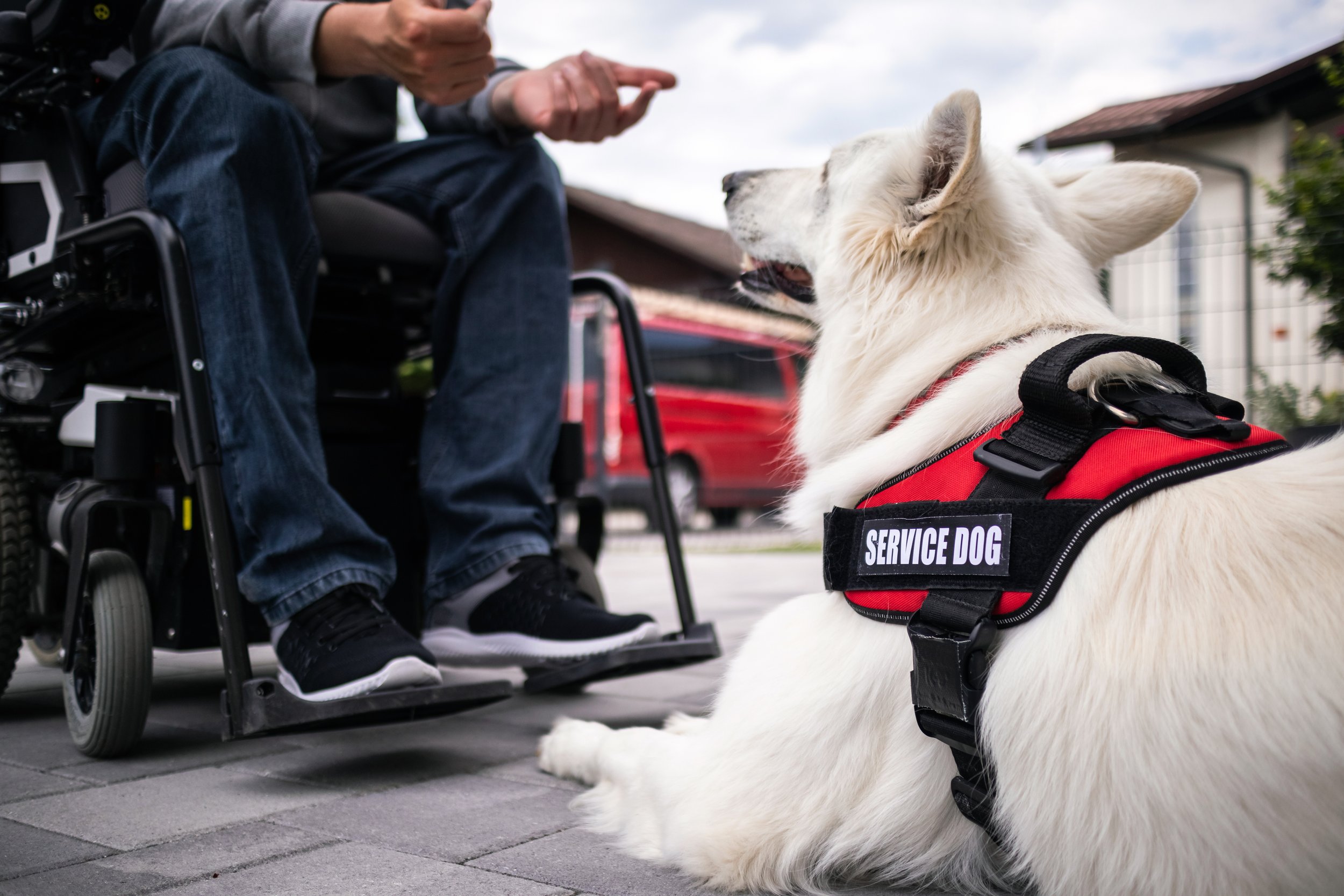
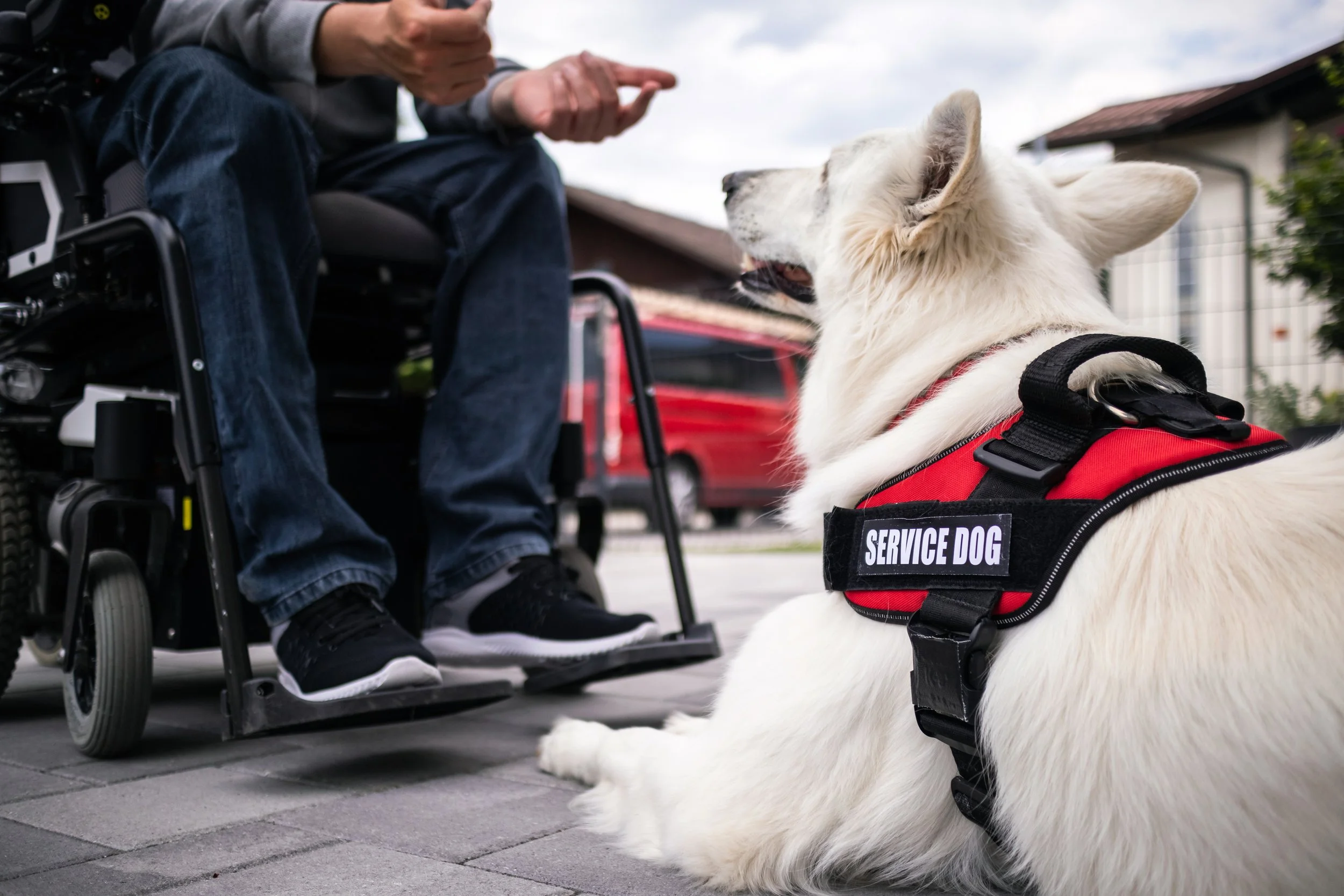
Service animals are trained to perform specific tasks for people with disabilities, like guiding someone who is visually impaired or alerting a person to a medical emergency.
Therapy animals are trained to provide comfort to groups of people in hospitals, schools, or nursing homes.
Emotional support animals do not need special training. They are prescribed by a licensed mental health professional and provide comfort through companionship.
Who Can Have an Emotional Support Animal?
To have an emotional support animal, a person must have a mental or emotional health condition that affects daily life. A licensed therapist, psychologist, psychiatrist, or doctor evaluates the person and decides if an ESA can help.
If approved, the professional gives an ESA letter. This letter confirms that the person has a qualifying condition and that an ESA is part of their treatment plan.
Common qualifying conditions include:
Anxiety
Depression
PTSD
Panic attacks
Social anxiety
Chronic stress
Each case is reviewed individually, and approval depends on the person’s specific needs.
What Animals Can Be Emotional Support Animals?
Dogs and cats are the most common emotional support animals, but other pets can also qualify. Rabbits, birds, hamsters, and small reptiles may also be considered.
The main requirements are that the animal is safe, manageable, and suitable for a home. There are no breed or size restrictions, but landlords can set rules to protect safety and property.
Legal Rights of Emotional Support Animal Owners
Emotional support animals have legal protections, mainly for housing. In many countries, including the United States, landlords must allow ESAs even if the building has a no-pet policy, as long as the tenant provides a valid ESA letter.
However, ESAs do not have the same access rights as service animals. They are generally not allowed in public places such as restaurants or stores. Airline rules have also changed, and many airlines now treat ESAs as regular pets, which may require fees and carriers.
How to Get an ESA Letter
To get an ESA letter, speak with a licensed mental health professional in person or online. During the evaluation, they will ask about your mental health, daily challenges, and how an emotional support animal could help.
A valid ESA letter must include the professional’s license information and is usually valid for one year. It may need to be renewed annually.
Responsibilities of ESA Owners
Having an emotional support animal comes with responsibilities. Owners must ensure their ESA is clean, well-behaved, and does not cause damage or safety problems.
Landlords can deny or remove an ESA if it becomes aggressive or disruptive. Responsible ownership protects your ESA rights and ensures a positive living environment.
Benefits of Emotional Support Animals
Emotional support animals can provide many benefits, including:
Reducing anxiety and stress
Improving mood and emotional stability
Providing comfort and a sense of security
Helping with daily routines
Reducing feelings of loneliness
For many people, an ESA is an important part of emotional health and well-being.
Conclusion
An emotional support animal is a companion that provides comfort and emotional support to people with mental or emotional health challenges. While ESAs do not have the same legal rights as service animals, they play a valuable role in improving emotional well-being. With a proper ESA letter and responsible care, emotional support animals can make life easier, calmer, and more fulfilling for their owners.