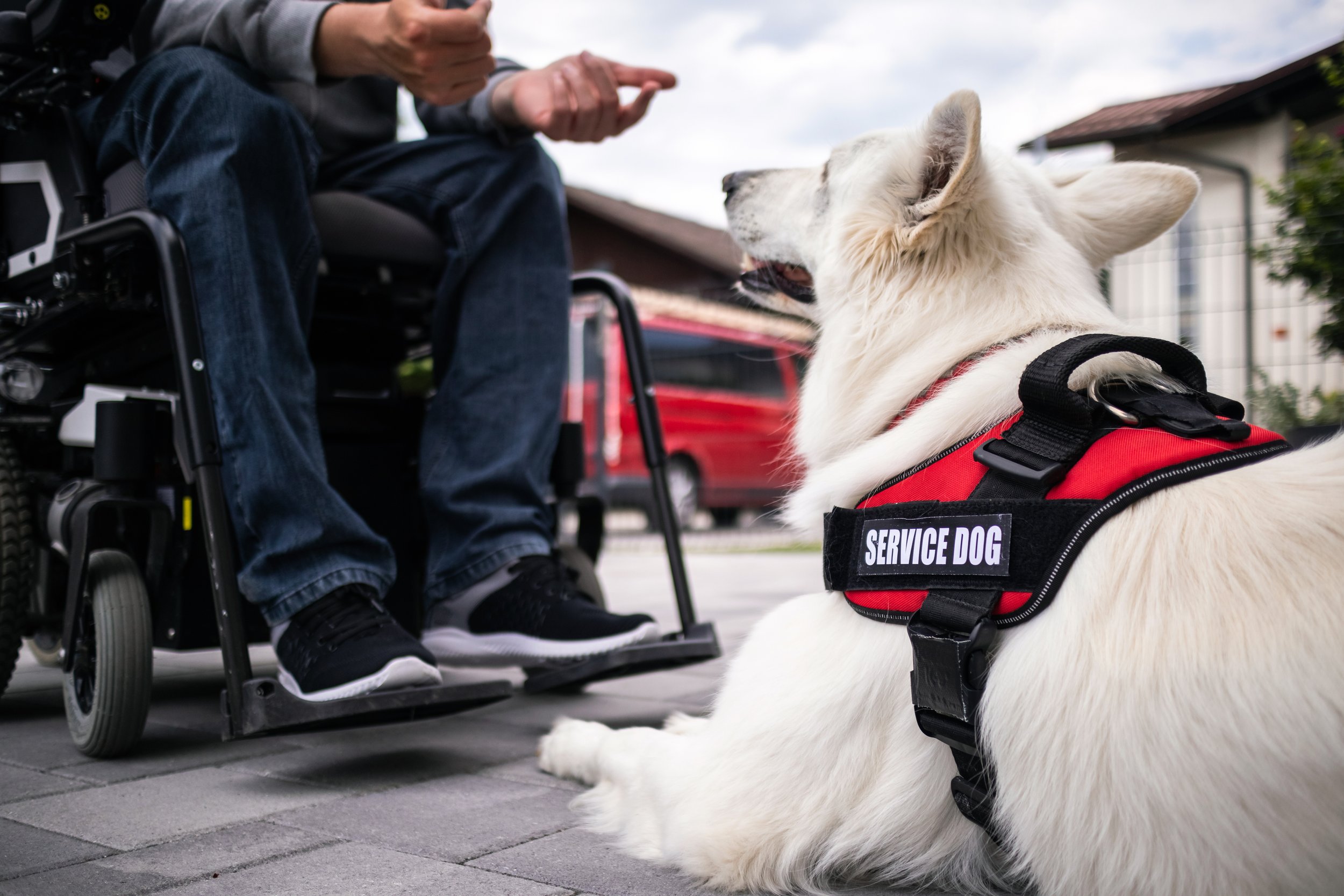
How to Get an Emotional Support Animal Letter for a Pet Deposit Waiver

Having a pet can bring comfort, companionship, and emotional support, but renting a home with a pet often comes with extra costs, including pet deposits or fees. If you have a mental health condition, an Emotional Support Animal, or ESA, can help you get a pet deposit waiver. A valid ESA letter from a licensed professional is required to take advantage of this legal protection.

What is an Emotional Support Animal

An Emotional Support Animal is a companion pet that provides comfort and helps people with mental health conditions, such as anxiety, depression, or PTSD. Unlike service animals, ESAs do not need special training. Their main purpose is to provide emotional support and help reduce symptoms of your condition.

Under the Fair Housing Act, landlords must allow reasonable accommodations for tenants with disabilities. This includes letting tenants have ESAs even if the building has a no-pet policy or charges a pet deposit. A proper ESA letter is essential to make this request.

How to Get an ESA Letter for a Pet Deposit Waiver

To get an ESA letter, you first need to confirm that you have a qualifying mental health condition. Conditions like anxiety, depression, or PTSD that affect your daily life usually qualify. You should consult a licensed mental health professional, such as a psychologist, psychiatrist, or licensed therapist, to determine if you qualify.

During your consultation, be honest about your mental health history and symptoms. The professional will assess how an ESA could help you manage your condition. If they agree that you need an Emotional Support Animal, they can provide a legally valid ESA letter.

A valid ESA letter must include the professional’s name, license type and number, the date issued, and a statement confirming that you have a mental health condition. The letter should also explain that the ESA helps alleviate symptoms of your condition. This letter must be on the professional’s official letterhead to be recognized by landlords.

Once you have the ESA letter, give a copy to your landlord or property manager. Landlords can verify that the letter is from a licensed professional, but they cannot ask for detailed medical records. Being polite and professional can make the process easier and increase your chances of getting a pet deposit waiver.

If a landlord refuses your request, know that under the Fair Housing Act, they must make reasonable accommodations unless it creates an undue financial or administrative burden. You can remind them of your rights and provide documentation to support your ESA request. If needed, seek help from fair housing organizations or legal aid services.

Tips for a Smooth ESA Letter Process

Make sure the professional writing your ESA letter is licensed in your state, as landlords may not accept out-of-state letters. Keep your ESA letter up to date, as some landlords may ask for a letter issued within the last year. Avoid online services that provide ESA letters without a proper mental health evaluation, because these letters may not be legally valid. Communicate calmly with your landlord to avoid misunderstandings and make the process smoother.

Conclusion

Getting an Emotional Support Animal letter can help you get a pet deposit waiver and make it easier to rent a home with your companion animal. By consulting a licensed mental health professional, obtaining a proper ESA letter, and presenting it professionally to your landlord, you can protect your rights and enjoy the support of your pet without paying extra fees. Knowing your legal rights and following the correct steps ensures a safe and supportive home for both you and your ESA.


What to Do if Your Emotional Support Animal Letter is Denied by Landlord

Having an emotional support animal can be important for your mental health, but sometimes landlords may deny your emotional support animal letter. This can be confusing and stressful, but a denial does not always mean you have no options. Understanding why your letter was denied and knowing your rights can help you take the right steps.

Understand Why Your ESA Letter Was Denied

The first step is to find out why your landlord denied your emotional support animal letter. Some denials happen because of confusion or misunderstanding. Landlords may think your letter is not valid, outdated, or not written by a licensed professional. In other cases, landlords may treat emotional support animals the same as regular pets. Asking the landlord for a clear explanation can help you understand what went wrong.

Make Sure Your ESA Letter Is Valid

A valid emotional support animal letter must come from a licensed mental health professional or healthcare provider. The letter should confirm that you have a mental or emotional disability and explain that your animal provides support. It should also be on professional letterhead, include the provider’s license information, and be current. If your letter is missing details or has expired, your landlord may reject it legally. Updating your letter usually solves this problem.

Know Your Rights Under Fair Housing Laws

Emotional support animals are protected under the Fair Housing Act in the United States. Landlords must provide reasonable accommodations for tenants with disabilities, including allowing emotional support animals even in no-pet housing. They cannot charge extra pet fees, pet rent, or deposits for your emotional support animal. They also cannot deny housing just because they do not allow pets. However, landlords can deny an ESA if the animal causes property damage or poses a threat to others.

Respond to Your Landlord in Writing

If your letter is denied, respond to your landlord in writing. Be polite and professional. Explain that your animal is an emotional support animal, not a pet, and that your request is a reasonable accommodation under fair housing laws. Attach your ESA letter again and offer to provide additional documentation if needed. Written communication creates a record of your request, which is helpful if you need to escalate the situation.

Ask for a Reasonable Accommodation Review

Some landlords deny ESA requests because they treat them like pet applications. You can ask your landlord to review your request as a reasonable accommodation. This helps clarify that emotional support animals are not pets. Many times, landlords approve the ESA once they understand the law and their responsibilities.

File a Complaint if Necessary

If your landlord continues to deny your ESA letter without a valid reason, you can file a complaint with the U.S. Department of Housing and Urban Development or a local fair housing agency. These organizations investigate housing discrimination and can help mediate disputes. Filing a complaint does not mean starting a lawsuit, it starts a review of whether your rights were violated.

Get Legal or Advocacy Support

If the situation is difficult to handle alone, you can seek help from a fair housing attorney or a tenant advocacy group. Many organizations offer free or low-cost advice for renters facing discrimination. Legal support can guide you on your options and help you make the right decisions to protect your housing and your rights.

Avoid Common Mistakes After a Denial

After a denial, do not try to bring your animal into the property without approval or argue aggressively with the landlord. These actions can create problems and may be considered lease violations. Instead, stay calm, keep all your documentation, and focus on clear communication. Knowing your rights and staying organized is the best way to resolve the situation.

Conclusion

If your emotional support animal letter is denied by a landlord, there are steps you can take to address the problem. Understanding why the letter was denied, ensuring your ESA documentation is valid, and knowing your rights under fair housing laws can help you respond effectively. Written communication, requesting a reasonable accommodation review, and seeking legal advice if needed, can protect your housing and ensure your emotional support animal remains part of your life. Staying calm, polite, and informed increases your chances of a positive outcome.

Emotional Support Animal Letter for Depression

Depression can affect how you think, feel, and handle daily responsibilities. It can make simple tasks feel overwhelming and leave you feeling isolated or unmotivated. For many people, emotional support animals provide comfort, companionship, and emotional stability. An emotional support animal letter for depression is an important document that helps people receive housing accommodations for their support animal.

What Is an Emotional Support Animal Letter

An emotional support animal letter is a written recommendation from a licensed mental health professional. It states that a person has a mental health condition, such as depression, and that an animal helps support their emotional well-being. This letter allows the animal to be recognized as an emotional support animal under housing laws.

Emotional support animals do not need special training. Their role is to provide comfort, reduce stress, and help improve emotional balance through companionship.

How Emotional Support Animals Help with Depression

Depression often causes loneliness, sadness, lack of motivation, and emotional exhaustion. Emotional support animals can help reduce these symptoms in several ways.

Having an animal nearby can ease feelings of isolation and provide constant companionship. Daily care routines, such as feeding and walking, can help create structure and purpose. Physical contact, like petting or holding an animal, can promote calmness and reduce anxiety. Many people with depression feel more emotionally grounded when they have an animal to care for.

These benefits are why mental health professionals may recommend an emotional support animal as part of a depression treatment plan.

Who Can Provide an ESA Letter for Depression

Only a licensed mental health professional can legally issue an emotional support animal letter. This may include psychologists, psychiatrists, licensed therapists, counselors, or medical doctors who treat mental health conditions.

The provider must evaluate your mental health and determine that depression significantly affects your daily life. They must also believe that an emotional support animal helps improve your emotional health or reduces symptoms.

A valid ESA letter must be written on official letterhead and include the provider’s license information and signature.

What a Valid ESA Letter Must Include

An emotional support animal letter must contain specific details to be legally accepted. The letter should confirm that you have a mental or emotional condition recognized by medical guidelines. It must state that an emotional support animal is part of your treatment for depression.

The letter should include the mental health professional’s contact information, license number, and the date the letter was issued. Most landlords require the letter to be current, usually dated within the last year.

Housing Rights with an Emotional Support Animal Letter

One of the main reasons people seek an emotional support animal letter is for housing protection. Under the Fair Housing Act, individuals with a valid ESA letter can request reasonable accommodation for their animal, even in housing with no-pet policies.

Landlords cannot charge pet fees or pet rent for emotional support animals. However, tenants are still responsible for any damage caused by the animal. A landlord may ask to see the ESA letter but cannot require detailed medical records or diagnosis details.

Emotional support animals do not have public access rights like service animals. Their legal protection mainly applies to housing situations.

How to Get an Emotional Support Animal Letter for Depression

To get an emotional support animal letter, you must speak with a licensed mental health professional. This can be a provider you already see or a new provider who offers mental health evaluations. During the evaluation, you will discuss your depression symptoms and how an animal helps support your emotional well-being.

If the provider believes an ESA is appropriate, they will issue a letter. Be cautious of online services that offer instant ESA letters without a proper evaluation, as these letters may not be legally valid.

A legitimate emotional support animal letter always comes from a real mental health professional.

Common Misunderstandings About ESA Letters

Many people believe emotional support animals have the same rights as service animals, but this is not true. Emotional support animals do not have guaranteed access to public places like restaurants or stores.

Another misunderstanding is that any pet automatically qualifies as an ESA. The animal only becomes an emotional support animal when supported by a valid ESA letter from a licensed professional.

Understanding these rules helps protect your rights and avoids issues with landlords.

Conclusion

An emotional support animal letter for depression can make a meaningful difference for people struggling with mental health challenges. Depression can be isolating and exhausting, but the comfort and companionship of an emotional support animal may help improve daily life. With a valid ESA letter from a licensed mental health professional, you can request housing accommodations and feel confident about your emotional support animal’s role. If depression is affecting your quality of life, speaking with a mental health provider about an emotional support animal may be a helpful step toward emotional support and stability.

Emotional Support Animal Letter for Renters

Renting a home can be stressful, especially if you rely on an emotional support animal to manage anxiety, depression, or other mental health challenges. An emotional support animal letter helps protect your right to live with your pet, even in housing that normally does not allow pets.

What is an Emotional Support Animal Letter

An emotional support animal letter is a document from a licensed mental health professional, such as a psychologist, psychiatrist, or therapist. The letter confirms that you have a mental or emotional health condition and that your animal helps you cope with symptoms. Unlike service animals, emotional support animals do not require special training, but the letter gives them legal protection under housing laws.

Legal Rights for Renters

In the United States, the Fair Housing Act protects renters with a disability who need an emotional support animal. Landlords must make reasonable accommodations to allow emotional support animals, even in apartments with no-pet policies. You cannot be charged extra pet fees for your ESA, but regular security deposits and rules for pet behavior still apply.

Some housing situations are not covered by these laws, such as private clubs or religious organizations. However, most apartments, rental homes, and condos fall under the Fair Housing Act.

How to Get an Emotional Support Animal Letter

To obtain a letter, you need to see a licensed mental health professional. They will review your health history and discuss your mental health symptoms and how an ESA helps. If appropriate, the professional will provide a letter stating that your animal is necessary for your well-being.

A valid ESA letter should be:

  • Typed on the professional’s letterhead

  • Signed and dated by a licensed mental health professional

  • Include the professional’s license type, number, and expiration date

  • State that you have a recognized mental health condition

  • Explain that your animal provides support to alleviate your symptoms

A properly written letter usually meets the requirements of most landlords, though some may request additional information.

Presenting Your ESA Letter to Your Landlord

When giving your letter to a landlord, communicate clearly and politely. Include the letter with your lease application or provide it as soon as possible if you already rent the property. You do not need to share detailed medical records. The ESA letter alone is usually enough to prove your need for your animal.

If a landlord refuses to accommodate your ESA without a valid reason, you may file a complaint with the U.S. Department of Housing and Urban Development or seek legal advice. Keep copies of your letter and all communication with your landlord for documentation.

Responsibilities of ESA Owners

Even though emotional support animals have legal protection, renters are still responsible for their pets. Your animal should not disturb neighbors, damage property, or create safety concerns. Many landlords expect ESA owners to follow the same rules as other pets, including keeping the animal clean and under control. Following these rules helps maintain a positive relationship with your landlord while allowing you to enjoy the benefits of your ESA.

Choosing the Right Emotional Support Animal

Dogs and cats are the most common emotional support animals, but other pets like rabbits, birds, or small mammals can also provide emotional support. The key is that your animal helps relieve your symptoms and can live safely in your rental home. Consider your lifestyle, living space, and the needs of your animal when choosing an ESA.

Conclusion

An emotional support animal letter is essential for renters who need their pets for mental health support. With proper documentation, landlords are legally required to allow your ESA, even if their property has no-pet policies. By understanding your rights, presenting your letter clearly, and caring responsibly for your animal, you can enjoy a supportive and comfortable home with your emotional support animal.

Emotional Support Animal Letter for PTSD

Living with post-traumatic stress disorder, or PTSD, can make daily life very hard. Anxiety, flashbacks, trouble sleeping, and stress can affect your work, relationships, and personal life. For many people, an emotional support animal provides comfort, calm, and emotional relief. An emotional support animal letter for PTSD helps you get legal protection and housing accommodations.

What Is an Emotional Support Animal Letter

An emotional support animal letter for PTSD is a document from a licensed mental health professional. It confirms that you have a mental health condition and that your animal helps improve your emotional well-being. Emotional support animals are different from service animals because they do not need special training. Their main role is to offer companionship, comfort, and support for symptoms like anxiety, stress, or panic attacks.

How Emotional Support Animals Help PTSD

Emotional support animals provide comfort during stressful moments and help you feel safe and grounded. Caring for an animal creates routine and reduces loneliness. Many people with PTSD notice better sleep, less anxiety, and more emotional balance when living with an emotional support animal.

Who Can Write an Emotional Support Animal Letter

Only licensed mental health professionals can write a valid emotional support animal letter for PTSD. Psychologists, therapists, counselors, and social workers can evaluate your condition and recommend an animal. The letter must include the professional’s license, contact information, and confirmation that the animal is part of your treatment.

What Information Is Included in the Letter

A proper emotional support animal letter includes key information without exposing your private medical history. It should confirm that you have a mental health condition and that an emotional support animal provides therapeutic benefits. The letter is usually on official letterhead, signed by a licensed professional, and meets legal requirements for housing and travel protections.

Housing Rights With an Emotional Support Animal Letter

One of the main benefits of an emotional support animal letter for PTSD is housing protection. Fair housing laws allow people with emotional support animals to request accommodation even if a property has a no-pet policy. Landlords usually cannot charge pet fees for emotional support animals, though tenants must take responsibility for any damages. Animals can be denied only if they are unsafe or cause serious property damage.

Avoiding Fake Letters

It is important to avoid fake emotional support animal letters. Some websites offer instant approvals without evaluation, but these letters are not legally valid. Always work with a licensed professional who can assess your condition. This ensures your rights are protected and your letter is accepted by landlords or housing authorities.

Renewing Your Letter

Most emotional support animal letters are valid for one year. Housing providers may ask for updated letters to confirm that the need for an emotional support animal continues. Renewing your letter usually involves a follow-up with your licensed professional, making sure your treatment plan remains effective and your housing accommodations stay protected.

Conclusion

An emotional support animal letter for PTSD can help you get comfort, emotional relief, and housing protection. By working with a licensed professional and obtaining a real letter, you ensure your animal is legally recognized and your rights are protected. Emotional support animals provide companionship and stability, making daily life with PTSD easier and more manageable.

Emotional Support Animal Letter for HOA

Living in a homeowners association community often means following strict rules about pets. Many HOAs limit animal size, breed, or the number of pets allowed. For people who rely on an emotional support animal, these rules can create stress and confusion. An emotional support animal letter for HOA use helps protect your housing rights and allows you to keep your support animal legally. Understanding how this letter works can make the process smoother and faster.

What Is an Emotional Support Animal Letter

An emotional support animal letter is a written document from a licensed mental health professional. It confirms that you have a mental or emotional condition and that an emotional support animal helps improve your daily life. This letter is not the same as a service animal certification. Instead, it explains that your animal provides emotional comfort, stability, and support that is part of your treatment plan.

For HOA communities, this letter is used to request a reasonable accommodation. A reasonable accommodation means asking the HOA to allow your emotional support animal even if pets are normally restricted.

Why HOAs Must Accept ESA Requests

Under fair housing laws, many housing providers, including HOAs, must consider emotional support animal requests. These laws protect people with disabilities and require housing communities to make reasonable accommodations when proper documentation is provided.

An HOA cannot deny your request just because of a no-pet policy or breed rule. However, they can review your request to make sure it follows legal guidelines and does not create a serious safety or health risk. This is why having a valid emotional support animal letter is very important.

What Information Should Be in the Letter

A proper emotional support animal letter should include clear and simple details. It should confirm that you have a qualifying emotional or mental health condition. It should also state that your emotional support animal is necessary for your well-being.

The letter must be written and signed by a licensed professional such as a therapist, psychologist, psychiatrist, or doctor. It should include the provider’s license number, contact information, and the date of issue. The letter does not need to list your exact diagnosis. It only needs to confirm that the animal supports your mental or emotional health.

How to Submit Your ESA Letter to an HOA

Once you receive your emotional support animal letter, submit it to your HOA board or property management office. You can usually send it by email or provide a printed copy. Keep records of your submission and any replies you receive.

When submitting your request, stay calm and professional. Clearly explain that you are requesting a reasonable accommodation for your emotional support animal. A polite and respectful approach often leads to faster approval and better communication.

Common HOA Concerns and How to Respond

Some HOAs worry about noise, damage, or safety issues. While these concerns are common, they are not valid reasons to deny an emotional support animal without proof of real risk. If your animal is well-behaved and properly cared for, the HOA should allow the accommodation.

You can help reduce concerns by showing that you will follow community rules. This includes cleaning up after your animal, keeping it on a leash in shared spaces, and preventing disturbances. Responsible ownership helps build trust with the HOA.

Emotional Support Animals vs Service Animals

Many people confuse emotional support animals with service animals. Service animals receive special training to perform tasks for people with disabilities. Examples include guiding individuals who are blind or alerting someone to medical emergencies.

Emotional support animals do not need special training. Their main role is to provide comfort and emotional balance. Even though they are different from service animals, emotional support animals still receive housing protection under fair housing laws when supported by a valid letter.

How to Avoid ESA Letter Scams

Not all ESA letter services are legitimate. Some websites offer instant letters without any real medical evaluation. These letters are often rejected by HOAs and may not meet legal standards.

A real emotional support animal letter usually requires a consultation with a licensed mental health professional. Always verify the provider’s credentials and make sure the letter includes proper contact and license information.

What to Do If Your HOA Denies Your Request

If your HOA denies your emotional support animal request, ask for a written explanation. Sometimes denials happen because of missing details or misunderstandings. You may be able to fix the issue by submitting updated documents.

If the HOA continues to deny your request without valid reasons, you can seek help from fair housing organizations or legal professionals. Many residents successfully resolve these issues through proper communication and support.

Conclusion

An emotional support animal letter for HOA approval is an important document that protects your right to live with your support animal. It provides official proof from a licensed professional and helps you request a reasonable accommodation under housing laws. By understanding what the letter includes, how to submit it, and how to communicate with your HOA, you can avoid delays and stress. With the right preparation and a valid ESA letter, you can maintain a safe and comfortable home with your emotional support animal.

Emotional Support Animal Letters for Dorms

Living in a college dorm can be exciting, but it can also be stressful. Many students experience anxiety, depression, or other mental health challenges while adjusting to campus life. An emotional support animal, or ESA, can provide comfort and companionship, helping students manage these challenges. To have an ESA in a dorm, students usually need an emotional support animal letter, a document that proves the need for the animal.

What is an Emotional Support Animal Letter

An emotional support animal letter is a formal document written by a licensed mental health professional, such as a psychologist, psychiatrist, or therapist. The letter confirms that a student has a mental health condition and that having an emotional support animal is important for their well-being. Unlike service animals, ESAs do not need special training, but the letter is essential to make sure dorm administrators allow the animal in housing that normally does not allow pets.

Why Dorms Require an ESA Letter

Most college dorms have strict no-pet policies. These rules help keep the dorm clean, reduce allergies, and avoid disturbances. However, under U.S. federal law, including the Fair Housing Act, students with mental health conditions can request reasonable accommodations. The ESA letter serves as proof that the accommodation is necessary, allowing students to have their support animal in dorms legally.

How to Get an ESA Letter for Dorms

To get an ESA letter, a student needs a mental health evaluation. A licensed professional will assess the student’s mental health and decide if an emotional support animal is needed. The letter usually includes the professional’s license information, a statement about the student’s condition, a recommendation for the ESA, and the professional’s signature and date. Most colleges require the letter to be recent, usually within the last year, and may ask students to submit it to the student accessibility office.

Choosing the Right ESA for Dorm Life

Not all animals are suitable for dorms. Small and low-maintenance pets, like cats, small dogs, or certain rodents, are usually the best choice. Students should consider dorm rules, possible allergies of roommates, and how well the animal can live in a small space. The right ESA can provide comfort without causing problems in shared housing.

Benefits of Having an ESA in Dorms

Emotional support animals can help students feel less lonely, stressed, and anxious. In dorms, ESAs can reduce homesickness and support academic performance. Interacting with animals increases chemicals in the brain, like serotonin and dopamine, that improve mood and calmness. Having an ESA nearby can also encourage students to maintain routines, get outside, and take breaks, which improves overall well-being.

Responsibilities of ESA Owners in Dorms

Students must care for their ESA properly. This includes feeding, exercising, and keeping the animal clean. It is also important to respect roommates and neighbors by making sure the animal does not cause disruptions. Proper care helps ensure a positive experience and keeps the housing accommodation protected under federal guidelines.

Common Misconceptions About ESA Letters

Some students think any online letter works for dorms. Many colleges require letters from licensed mental health professionals. Emotional support animals are not the same as service animals under the Americans with Disabilities Act, so dorm rules may be different from public spaces. Accurate and up-to-date documentation is important to avoid issues with housing approval.

Conclusion

An emotional support animal letter for dorms is important for students who need a companion to manage mental health challenges. It provides legal proof to have an ESA in housing that usually does not allow pets. By getting a valid letter, choosing a suitable animal, and taking proper care, students can enjoy the emotional support and benefits of living with a companion in dorms. If you are thinking about an ESA in your dorm, start by consulting a licensed mental health professional to make sure your letter meets housing requirements, giving you support and peace of mind.

Emotional Support Animal Letters for Apartments

An emotional support animal letter for apartments is an important document for renters who rely on an animal to support their mental or emotional health. Many apartments have strict pet rules, pet fees, or no-pet policies. With a valid emotional support animal letter, tenants can request reasonable housing accommodation and live with their support animal without facing unfair restrictions.

This guide explains what an emotional support animal letter is, how it works in apartments, and what you should know before submitting one. The goal is to help you understand your rights and avoid common problems.

What Is an Emotional Support Animal Letter?

An emotional support animal letter, also called an ESA letter, is a written recommendation from a licensed mental health professional. It confirms that a person has a mental or emotional condition and that an animal helps reduce symptoms and improve daily life.

Emotional support animals do not need special training like service animals. Their main role is to provide comfort, emotional stability, and stress relief. The letter is the official document that allows tenants to request housing accommodation.

How Emotional Support Animal Letters Work for Apartments

Under fair housing laws, many landlords and property managers must allow emotional support animals as a reasonable accommodation. This applies even in buildings with no-pet rules.

In most cases, landlords cannot charge pet rent or pet deposits for emotional support animals. However, tenants are still responsible for any damage caused by the animal. The animal must also behave safely and should not disturb other tenants.

Who Can Qualify for an Emotional Support Animal Letter?

People with anxiety, depression, PTSD, panic disorders, or other emotional or mental health conditions may qualify for an emotional support animal letter. The key requirement is a real evaluation by a licensed mental health professional.

The provider must decide that the animal offers emotional or therapeutic benefits that support the person’s condition. Emotional support animal letters are based on medical need, not personal preference or convenience.

What Should Be Included in an Emotional Support Animal Letter?

A valid emotional support animal letter should include clear and professional details. It should be written on official letterhead and include the provider’s license number, contact information, and signature.

The letter should confirm that the tenant has a qualifying condition and that the emotional support animal is part of the treatment plan. The exact diagnosis does not need to be listed, but the medical necessity of the animal must be clearly stated.

How to Submit an Emotional Support Animal Letter to Your Apartment

Once you receive your emotional support animal letter, submit it to your landlord or property manager as soon as possible. It is best to do this before moving in or right after requesting an exception to pet rules.

Keep a copy of the letter for your records. If your landlord asks questions, respond politely and provide clarification when needed. Most property managers are familiar with emotional support animal requests and understand the process.

Common Apartment Questions About Emotional Support Animals

Many renters ask if breed or size limits apply to emotional support animals. In most situations, these restrictions do not apply if the animal is medically necessary. However, a landlord may deny accommodation if the animal poses a serious safety risk or causes major property damage.

Another common question is about renewal. Some landlords ask for updated letters every year. While not always required by law, keeping your documentation current can help avoid disputes and delays.

How to Avoid Emotional Support Animal Letter Scams

There are many websites that claim to offer instant emotional support animal letters. Be careful with services that promise approval without a real mental health evaluation. A valid letter must come from a licensed professional who has reviewed your condition.

Using fake or unreliable letters can lead to housing problems and rejection by landlords. Always choose providers who follow legal and ethical standards.

Tenant Responsibilities With Emotional Support Animals

Having an emotional support animal comes with responsibility. The animal should be well-behaved, clean, and under control. Excessive barking, aggressive behavior, or damage to the apartment can result in complaints or lease violations.

Tenants should also follow basic apartment rules related to cleanliness and safety. Responsible pet care helps protect your housing rights and creates a better living environment for everyone.

Conclusion

An emotional support animal letter for apartments can help renters live comfortably with their support animals while following housing rules. It allows tenants to request fair accommodation, avoid pet restrictions, and maintain stable housing.

By understanding how emotional support animal letters work, choosing a legitimate provider, and being a responsible pet owner, renters can protect their rights and enjoy a smoother apartment experience. Taking the right steps ensures a supportive home for both you and your emotional support animal.

Emotional Support Animal Letters for Anxiety

An emotional support animal letter for anxiety is an official document that confirms a person needs an emotional support animal, also called an ESA, to help manage anxiety symptoms. This letter is written by a licensed mental health professional. It explains that the animal provides emotional comfort and support as part of a treatment plan.

Many people with anxiety use emotional support animals to feel calmer, safer, and more balanced in daily life. If you are thinking about getting an ESA letter, this guide explains everything you need to know in simple terms.

What Is an Emotional Support Animal Letter?

An emotional support animal letter is a professional recommendation from a therapist, psychologist, psychiatrist, or doctor. The letter states that you have a mental or emotional condition such as anxiety and that an emotional support animal helps improve your well-being.

Unlike service animals, emotional support animals do not need special training. Their main role is to provide comfort, companionship, and emotional stability. The ESA letter is used as proof that your animal is medically necessary for emotional support.

How Emotional Support Animals Help With Anxiety

Anxiety can affect sleep, focus, work performance, and relationships. Emotional support animals help in several important ways.

First, they provide comfort and emotional security. Having an animal nearby can reduce feelings of fear and stress.

Second, they help lower anxiety levels. Petting or spending time with an animal can calm your nervous system and reduce tension.

Third, they encourage daily routines. Feeding, walking, and caring for an animal adds structure, which can help people who struggle with anxiety.

Finally, emotional support animals help with grounding. During anxious moments, the animal’s presence can help slow racing thoughts and bring a sense of calm.

Who Qualifies for an Emotional Support Animal Letter for Anxiety?

To qualify for an emotional support animal letter for anxiety, you must have a mental health condition that affects your daily life. Common anxiety-related conditions include:

  • Generalized anxiety disorder

  • Social anxiety disorder

  • Panic disorder

  • Post-traumatic stress disorder

  • Phobias

A licensed mental health professional must evaluate your condition. They decide if an emotional support animal would provide real emotional benefit. Simply wanting a pet does not qualify. There must be a medical or emotional need.

What Information Should Be on an ESA Letter?

A valid emotional support animal letter for anxiety should include the following details:

  • The mental health professional’s full name and license number

  • Official letterhead and contact information

  • A statement confirming your mental or emotional condition

  • Confirmation that an emotional support animal is part of your treatment plan

  • The date and professional signature

Housing providers often review these details before approving ESA accommodations.

How to Get an Emotional Support Animal Letter for Anxiety

Getting an ESA letter is simple when you follow the correct steps.

Complete a Mental Health Evaluation

You can schedule an appointment with a licensed therapist either in person or online. During the evaluation, you will discuss your anxiety symptoms and how they affect your daily life.

Receive Your ESA Letter

If the professional believes an emotional support animal will help your condition, they will issue an ESA letter. Some providers deliver the letter within a few days.

Submit the Letter to Your Housing Provider

You can give the ESA letter to your landlord or property manager. In many regions, housing laws require landlords to allow emotional support animals, even in no-pet housing, as long as the request is reasonable and properly documented.

Where Are Emotional Support Animals Allowed?

Emotional support animals have housing protections, but they do not have the same public access rights as service animals. ESAs are not automatically allowed in restaurants, stores, or airplanes.

Most airlines now treat emotional support animals as regular pets. Always check airline and local rules before traveling.

How to Avoid Fake ESA Letters

Many websites advertise instant ESA letters without real evaluations. These letters are often not legally valid.

To avoid scams:

  • Choose providers with licensed professionals

  • Avoid websites that guarantee approval

  • Make sure a real mental health assessment is required

  • Check credentials before paying

A legitimate emotional support animal letter for anxiety always comes from a qualified professional.

Do ESA Letters Need Renewal?

Most housing providers prefer ESA letters issued within the past 12 months. Renewing your letter each year helps keep your documentation up to date and valid. Renewal usually involves a short follow-up consultation.

Conclusion

An emotional support animal letter for anxiety can make a real difference for people who struggle with daily stress and emotional challenges. When issued by a licensed mental health professional, this letter confirms that your animal plays an important role in your emotional well-being. By following the proper process, avoiding scams, and understanding your rights, you can use your ESA letter with confidence and improve your overall quality of life.

Emotional Support Animal Letters and Mental Health Conditions: What You Need to Know

If you are dealing with a mental health condition, an emotional support animal (ESA) can help provide comfort and companionship. ESAs are recognized under U.S. law for their support, but you need a valid ESA letter from a licensed professional. Understanding mental health conditions and ESA letters can help you get the support you need.

What Is an Emotional Support Animal?

An emotional support animal is a pet that gives comfort to people with emotional or psychological conditions. Unlike service animals, ESAs are not trained to perform tasks. Their main role is to provide emotional support, which can help reduce stress, anxiety, depression, or other mental health symptoms.

Who Can Get an ESA Letter?

To get an ESA letter, you must have a diagnosed mental health condition or emotional disability. Common qualifying conditions include:

  • Anxiety disorders, including panic attacks or social anxiety

  • Depression, including major depressive disorder

  • Post-traumatic stress disorder (PTSD), often related to trauma or stress

  • Phobias, including severe fears that affect daily life

  • Other mental health disorders, such as bipolar disorder or chronic stress

A licensed mental health professional, like a psychologist, psychiatrist, or therapist, must evaluate your condition and determine if an ESA would help.

How to Get an Emotional Support Animal Letter

Here is the process for getting a valid ESA letter:

  1. Schedule an evaluation, where the provider reviews your mental health history and symptoms

  2. Explain your need, showing how an ESA can help improve your mental well-being

  3. Receive the ESA letter, which must include:

    • Your name and mental health condition

    • The professional’s license type and information

    • A statement that you need an ESA for emotional support

Some licensed providers offer same-day ESA letters online, which is helpful if you need quick access to support.

Legal Protections for Emotional Support Animals

A valid ESA letter gives certain legal protections, especially for housing:

  • Housing, under the Fair Housing Act, landlords must allow ESAs even in no-pet housing and cannot charge extra pet fees

  • Travel, some airlines may allow ESAs in the cabin with proper documentation, but rules vary and many now treat ESAs as regular pets

Remember, ESAs do not have the same public access rights as service animals. They cannot go to most restaurants, stores, or public spaces unless allowed.

Benefits of Having an ESA

Emotional support animals can help improve mental health in several ways:

  • Reduce anxiety and stress

  • Provide companionship and reduce loneliness

  • Improve mood and emotional stability

  • Encourage routines like walking a dog, which can also benefit physical health

While ESAs are not a replacement for therapy or medication, they are a helpful addition to mental health care.

Conclusion

Emotional support animals can provide comfort and improve quality of life for people with mental health conditions. A valid ESA letter from a licensed mental health professional is required to access legal protections, especially in housing. Knowing the process, benefits, and requirements will help you and your ESA get the support you need safely and legally.

How to Get an Emotional Support Letter the Same Day

An emotional support animal letter allows you to keep your pet as part of your emotional or mental health care plan. Many people need this letter quickly for housing approval, rental applications, or urgent accommodation requests. The good news is that you can get an emotional support animal letter the same day if you follow the right process.

This guide explains how same-day ESA letters work, who qualifies, and how to avoid fake providers.

What Is an Emotional Support Animal Letter?

An emotional support animal letter is a document written by a licensed mental health professional. It confirms that you have a mental or emotional condition and that an animal provides therapeutic support.

Unlike service animals, emotional support animals do not need special training. The letter is mainly used for housing purposes under fair housing laws. While airlines no longer treat ESAs as service animals, the letter still provides important housing protections.

Can You Get an ESA Letter the Same Day?

Yes, same-day ESA letters are possible. Many licensed therapists now offer online evaluations using telehealth services. If you complete your assessment early and qualify, your letter may be issued within a few hours.

However, approval is not automatic. A licensed professional must review your situation and decide if an emotional support animal is medically appropriate.

Steps to Get an Emotional Support Animal Letter the Same Day

Choose a Legitimate ESA Provider

Start by selecting a trusted service that works with licensed mental health professionals. Look for the following signs:

  • Licensed therapists or psychologists listed

  • Clear contact information

  • Secure website and privacy policy

  • No promises of guaranteed approval

Avoid websites that sell instant letters without medical screening. These letters are often rejected by landlords.

Complete the Online Mental Health Assessment

Most providers ask you to fill out a short questionnaire. This form covers symptoms such as anxiety, depression, stress, PTSD, or emotional struggles that affect daily life.

Answer honestly. Accurate information helps the therapist make the right decision and speeds up the approval process.

Attend a Telehealth Consultation

Some same-day services require a brief phone or video consultation. During this session, the licensed provider will ask questions about your mental health and how your animal helps with emotional support.

This step ensures your ESA letter meets legal and medical standards.

Receive Your ESA Letter by Email

If approved, your emotional support animal letter is sent digitally as a PDF file. Many providers deliver it within hours on the same day. Some also offer printed copies by mail if needed.

Make sure to save the digital copy and keep a printed version for your records.

What Should a Valid ESA Letter Include?

A proper emotional support animal letter should contain:

  • Licensed provider’s name and license number

  • Professional letterhead

  • Issue date

  • Statement confirming the need for an emotional support animal

  • Signature of the mental health professional

Landlords may verify these details, so accuracy is important.

Who Qualifies for an Emotional Support Animal Letter?

You may qualify if you experience emotional or mental health conditions such as:

  • Anxiety disorders

  • Depression

  • PTSD

  • Panic attacks

  • Chronic stress

  • Social anxiety

You do not need a severe disability. The condition only needs to impact your daily life and improve with emotional support from an animal.

How Much Does a Same-Day ESA Letter Cost?

The price for a same-day emotional support animal letter usually ranges from $99 to $200. The cost depends on the provider and whether a consultation is required.

Be cautious of extremely cheap offers. These often come from unlicensed sources and may not be accepted by landlords or property managers.

Common Mistakes to Avoid

Buying Fake ESA Certificates

ESA ID cards and certificates without therapist approval are not legally valid. Only a letter from a licensed mental health professional provides real protection.

Using Websites That Guarantee Approval

No ethical provider can promise approval. Legitimate services evaluate each case individually.

Submitting Outdated Letters

Many housing providers require ESA letters issued within the past 12 months. Always check the date before submitting your document.

How to Use Your ESA Letter

Once you receive your letter, submit it to your landlord or housing provider. Fair housing laws require landlords to provide reasonable accommodations, even in no-pet housing, unless the animal poses a safety risk.

Keep both digital and printed copies available in case verification is needed.

Conclusion

Getting an emotional support animal letter the same day is possible when you choose a legitimate provider and complete a proper mental health evaluation. The process is simple when you follow the correct steps, provide honest information, and avoid fake ESA services.

With the right approach, you can receive a valid ESA letter quickly and use it to secure housing accommodations and emotional support without unnecessary delays.

How to Get an Emotional Support Letter Signed by a Doctor

An emotional support animal letter signed by a doctor allows you to legally request housing accommodations for your ESA. This document confirms that your animal provides emotional comfort and mental health support. Many landlords and property managers require this letter before approving an emotional support animal.

If you want to get a valid ESA letter, it is important to understand the correct process. This guide explains each step in simple terms.

What Is an Emotional Support Animal Letter

An emotional support animal letter is a written recommendation from a licensed healthcare provider. It states that you have a mental or emotional condition and that an emotional support animal helps improve your well-being.

The letter must include the doctor’s name, license number, contact details, date, and signature. Without this document, your pet does not qualify as an emotional support animal under housing laws.

Who Can Sign an ESA Letter

Only licensed medical and mental health professionals can legally sign an ESA letter. These include:

  • Medical doctors

  • Psychologists

  • Psychiatrists

  • Licensed therapists

  • Licensed clinical social workers

  • Nurse practitioners with mental health credentials

The provider must be licensed in your state. Letters from unlicensed providers or online websites that offer instant approval are not valid.

Check If You Qualify for an Emotional Support Animal

To qualify for an emotional support animal, you must have a mental or emotional condition that affects your daily life. Common qualifying conditions include:

  • Anxiety

  • Depression

  • PTSD

  • Panic disorders

  • Stress-related conditions

  • Social anxiety

  • Sleep disorders linked to mental health

You do not need to have a severe disability. If an animal helps reduce symptoms and improve emotional stability, you may qualify.

Schedule an Appointment With a Doctor

The next step is to book an appointment with a licensed healthcare provider. This can be done in person or through telehealth services, depending on your location.

During the appointment, the doctor will ask about your mental health, emotional challenges, and daily struggles. Be honest and explain how an animal helps you feel calmer, safer, or more emotionally balanced.

Complete the Mental Health Evaluation

The doctor will perform a mental health assessment. This may include questions about stress levels, mood, sleep habits, and emotional symptoms.

If the provider believes that an emotional support animal is beneficial for your condition, they will approve your request. Ethical professionals only write ESA letters for patients who truly qualify.

Request Your ESA Letter

Once approved, ask the doctor to prepare your emotional support animal letter. Make sure the letter includes the following information:

  • Doctor’s full name and credentials

  • State license number

  • Date the letter was issued

  • Statement recommending an emotional support animal

  • Official signature

Many housing providers prefer letters that are less than 12 months old. Renewing your ESA letter each year helps avoid problems when submitting requests.

Submit the Letter to Your Landlord

After receiving your ESA letter, provide a copy to your landlord or housing manager. Under the Fair Housing Act, landlords must allow emotional support animals in most rental properties, even in buildings with no-pet policies.

They are allowed to verify the letter but cannot ask for your diagnosis. Always keep a copy of your ESA letter for personal records.

Can You Get an ESA Letter Online

Yes, you can get an emotional support animal letter online through licensed telehealth providers. Make sure the service offers a real evaluation with a licensed professional.

Avoid websites that sell ESA registrations, ID cards, certificates, or instant approvals. These products have no legal value and do not replace a doctor’s letter.

Common Mistakes to Avoid

Many people experience delays because of simple mistakes. Avoid the following problems:

  • Using fake ESA letters

  • Buying certificates without evaluations

  • Submitting expired letters

  • Using out-of-state providers without proper licensing

  • Assuming emotional support animals have public access rights

ESA protections mainly apply to housing and do not allow animals in stores or restaurants.

How Long Does It Take to Get an ESA Letter

The process usually takes one to three days for online evaluations and up to one week for in-person appointments. The timeline depends on the provider’s availability and the evaluation process.

Once approved, most doctors issue the letter quickly.

Conclusion

Getting an emotional support animal letter signed by a doctor is a simple process when done the right way. Start by confirming your eligibility, schedule an evaluation with a licensed healthcare provider, complete the mental health assessment, and request a properly formatted ESA letter.

Always use legitimate medical professionals and avoid fake online services. A valid emotional support animal letter protects your housing rights and allows you to enjoy the emotional benefits of your ESA with confidence and legal protection.

How to Get an Emotional Support Letter for a Yorkshire Terrier

A Yorkshire Terrier, also called a Yorkie, is a small dog with a big heart. Many people depend on their Yorkie for comfort, companionship, and emotional support. If you want your dog to be officially recognized as an Emotional Support Animal, you need an emotional support letter. This guide explains how to get an emotional support letter for a Yorkshire Terrier in a simple and legal way.

What Is an Emotional Support Letter?

An emotional support letter is a written recommendation from a licensed mental health professional. This professional may be a therapist, psychologist, psychiatrist, or counselor. The letter confirms that you have a mental or emotional condition and that your Yorkshire Terrier helps reduce symptoms related to that condition.

This letter is not a pet registration or ID card. It is a medical document that protects your housing rights under the Fair Housing Act. Without this letter, your Yorkie is legally considered a regular pet.

Why Yorkshire Terriers Make Great Emotional Support Dogs

Yorkshire Terriers are popular emotional support dogs because of their friendly and loving personality. They form strong bonds with their owners and enjoy staying close. Their small size makes them ideal for apartments and small living spaces.

Yorkies are also very alert to emotions. Many owners notice that their dog reacts when they feel stressed or sad. These dogs often provide comfort by cuddling, staying nearby, or offering playful distractions. These traits make them excellent emotional companions.

Who Can Qualify for an Emotional Support Letter?

You may qualify for an emotional support letter if you have a mental or emotional condition that affects your daily life. Common conditions include anxiety, depression, PTSD, panic disorders, chronic stress, and emotional trauma.

You do not need to have a severe diagnosis. A licensed mental health professional simply needs to confirm that your Yorkshire Terrier provides emotional benefit that improves your well-being.

Only licensed providers can legally issue ESA letters. Online certificates without an evaluation are not valid.

Steps to Get an Emotional Support Letter for a Yorkshire Terrier

The process is simple and can be done online or in person.

First, schedule an appointment with a licensed mental health professional. You can choose a local therapist or use a reputable telehealth service.

Next, complete the mental health evaluation. During this session, you will discuss your emotional health and how your Yorkshire Terrier helps you manage daily challenges.

If approved, the provider will issue your emotional support letter. The letter must be on official letterhead and include the provider’s license number, signature, contact information, and date.

After receiving the letter, keep both digital and printed copies. You may need to show it to landlords or housing managers.

What Should Be Included in an ESA Letter?

A valid emotional support letter should clearly state that you have a mental or emotional condition recognized by mental health guidelines. It should also confirm that your Yorkshire Terrier provides emotional support that helps reduce symptoms.

The letter must include the provider’s professional details and licensing information. Most ESA letters are valid for one year. Renewing your letter annually is recommended to stay compliant with housing requirements.

Housing Rights With a Yorkshire Terrier ESA

Under the Fair Housing Act, emotional support animals are allowed in most rental housing, even in buildings with no-pet policies. Landlords must make reasonable accommodations for your Yorkshire Terrier if you provide a valid ESA letter.

Landlords cannot charge pet rent or pet deposits for emotional support animals. However, you are responsible for any damage caused by your dog.

It is important to understand that emotional support animals do not have public access rights. This means your Yorkie is not automatically allowed in stores, restaurants, or airplanes unless the business allows pets.

Avoid Emotional Support Animal Scams

Many websites offer instant ESA approval or sell fake certificates. These services often skip the mental health evaluation, which makes their documents invalid.

Always choose a provider that connects you with a licensed professional. If a website promises approval in minutes without speaking to a therapist, it is likely a scam.

Caring for Your Yorkshire Terrier as an ESA

Once your Yorkie becomes your emotional support animal, proper care is essential. Make sure your dog receives regular vet visits, vaccinations, grooming, and daily exercise.

Basic obedience training is also helpful. Good behavior makes housing interactions smoother and strengthens the bond between you and your dog.

Conclusion

Getting an emotional support letter for a Yorkshire Terrier is a simple process when done the right way. By meeting with a licensed mental health professional and receiving a valid ESA letter, you can protect your housing rights and officially recognize the emotional support your Yorkie provides.

Yorkshire Terriers offer loyalty, comfort, and companionship. With proper documentation and responsible care, your Yorkie can continue supporting your emotional health while enjoying a safe and loving home.

How to Get an Emotional Support Letter for a Labrador Retriever

Labrador Retrievers are friendly, loyal, and loving dogs. They make great emotional support animals because they can help reduce stress, anxiety, and depression. If you rely on your Labrador for emotional comfort, getting an emotional support letter can officially recognize your dog as an emotional support animal, or ESA. This guide will show you how to get an emotional support letter for your Labrador Retriever in simple and clear steps.

What Is an Emotional Support Letter?

An emotional support letter is a document written by a licensed mental health professional. It explains that you have a mental or emotional health condition and that your Labrador Retriever helps you cope. This letter is important because it allows your dog to be recognized as an ESA under housing laws. Unlike service dogs, emotional support animals do not need special training, but the letter must be from a qualified professional to be valid.

Who Can Get an Emotional Support Animal?

You can get an emotional support animal if you have mental or emotional health challenges such as anxiety, depression, stress, or post-traumatic stress disorder. You do not need to have severe symptoms to qualify. The main requirement is that a licensed professional confirms that your Labrador Retriever helps you feel better and improves your daily life.

Steps to Get an Emotional Support Letter for a Labrador Retriever

Talk to a Licensed Mental Health Professional

The first step is to speak with a licensed therapist, counselor, psychologist, or psychiatrist. You can meet in person or use online telehealth services. During the consultation, explain how your Labrador Retriever helps you feel calmer, happier, or less anxious. Be honest about how your dog supports your mental health.

Complete a Mental Health Evaluation

The mental health professional may ask questions about your emotional well-being, daily challenges, and symptoms. This evaluation helps them decide if you qualify for an emotional support animal. If they approve, they will write an emotional support letter for you.

Receive Your Emotional Support Letter

Once approved, you will get a letter from the licensed professional. The letter should include the professional’s name, license number, contact information, signature, and the date it was issued. Most housing providers require the letter to be current, usually within the past 12 months. Keep both a printed and digital copy of your letter for easy access.

Why Labradors Make Great Emotional Support Animals

Labrador Retrievers are calm, affectionate, and friendly. They enjoy being around people and can easily adapt to different homes and environments. Their loving nature makes them excellent companions for emotional support. Labradors are also easy to train, which helps them behave well at home and in public.

Where You Can Use Your Emotional Support Letter

An emotional support letter mainly helps with housing. Under fair housing laws, landlords must make reasonable accommodations for emotional support animals. This means they cannot charge pet fees or deny housing because you have a Labrador Retriever as an ESA. Keep in mind, emotional support animals do not have the same public access rights as service dogs. Most public places, like restaurants and stores, are not required to allow ESAs.

Avoid Scams When Getting a Letter

Be careful of websites that promise instant approval without a mental health evaluation. A valid emotional support letter must come from a licensed professional who evaluates your condition. Avoid services that sell certificates or ID cards without medical approval. Always check that your provider is licensed in your state.

Keep Your Labrador Well-Behaved

Even though training is not required for emotional support animals, it is important to keep your Labrador calm and clean. Good behavior helps prevent problems with landlords or neighbors. Regular exercise, grooming, and vet visits also help keep your dog healthy and happy.

Conclusion

Getting an emotional support letter for your Labrador Retriever is easy if you follow the right steps. Start by consulting a licensed mental health professional, complete the evaluation, and obtain a valid ESA letter. With this letter, your Labrador Retriever can be officially recognized as an emotional support animal for housing purposes. Labradors are loving and loyal companions, and with the proper documentation and responsible care, they can provide emotional comfort and stability for years to come.

How to Get an Emotional Support Letter for a Golden Retriever

Golden Retrievers are one of the most popular emotional support dog breeds. They are friendly, calm, and highly loyal, which makes them excellent companions for people who need emotional comfort. If your Golden Retriever helps improve your mental or emotional well-being, you may qualify for an Emotional Support Animal letter. This guide explains how to get an emotional support letter for a Golden Retriever in a clear and legal way.

What Is an Emotional Support Animal Letter

An emotional support animal letter is an official document written by a licensed mental health professional. It confirms that you have a mental or emotional condition and that your Golden Retriever provides therapeutic support.

Unlike service dogs, emotional support animals do not need special training. Their main purpose is to offer comfort, reduce stress, and help with emotional stability. With a valid ESA letter, housing providers must allow your Golden Retriever even in properties with pet restrictions. However, emotional support animals do not have public access rights in stores, restaurants, or most transportation services.

Why Golden Retrievers Are Great Emotional Support Dogs

Golden Retrievers are known for their gentle personality and affectionate nature. They are emotionally sensitive and often respond well to their owner’s mood and behavior.

These dogs are helpful for people dealing with anxiety, depression, PTSD, and stress-related conditions. Their friendly behavior can reduce loneliness and create a sense of safety. Golden Retrievers are also intelligent and adaptable, which makes them easy to care for in many living environments.

Check If You Qualify for an ESA Letter

To qualify for an emotional support letter, you must have a mental or emotional condition that affects your daily life. Common qualifying conditions include:

  • Anxiety disorders

  • Depression

  • Post-traumatic stress disorder

  • Panic attacks

  • Chronic stress

  • Social anxiety

  • Mood disorders

You do not need a severe diagnosis. A licensed professional only needs to confirm that your Golden Retriever helps reduce symptoms and improves your emotional well-being.

Talk to a Licensed Mental Health Professional

The next step is scheduling an evaluation with a licensed therapist, psychologist, psychiatrist, or doctor. This can be done in person or through a legal online telehealth service.

During the evaluation, the provider will ask about your mental health, daily challenges, and how your Golden Retriever supports you emotionally. Be honest and clear about how your dog helps you feel calmer, sleep better, or manage stress. Based on this information, the provider will decide if you qualify for an ESA letter.

Receive Your Emotional Support Letter

If you are approved, the professional will issue your emotional support letter. A valid ESA letter should include:

  • The provider’s name and license number

  • The date of issuance

  • Confirmation of your emotional or mental health need

  • The provider’s contact information and signature

Most ESA letters are valid for one year. After that, you may need to renew your letter through another evaluation.

Use Your ESA Letter for Housing

Once you receive your letter, you can give it to your landlord or property manager. Housing laws require landlords to provide reasonable accommodation for emotional support animals.

This means they cannot charge pet fees, pet rent, or deny housing because of your Golden Retriever. However, you are responsible for your dog’s behavior, cleanliness, and any property damage.

It is a good idea to keep both digital and printed copies of your ESA letter in case it is requested.

Avoid Fake Emotional Support Letter Services

Many websites offer instant ESA letters without a real mental health evaluation. These letters are usually not valid and may be rejected by landlords.

A legitimate emotional support letter always comes from a licensed professional after a proper assessment. Avoid services that promise guaranteed approval in minutes or require no consultation.

Training Tips for Golden Retrievers as Emotional Support Dogs

Although emotional support animals do not require formal training, good behavior is very important. Your Golden Retriever should be calm, well-socialized, and able to follow basic commands.

Regular exercise, grooming, and proper nutrition help your dog stay healthy and balanced. A well-behaved emotional support dog makes housing interactions smoother and improves your overall experience.

Conclusion

Getting an emotional support letter for a Golden Retriever is a straightforward process when done correctly. Start by checking your eligibility, schedule an evaluation with a licensed mental health professional, and obtain a valid ESA letter. Golden Retrievers are excellent emotional companions who provide comfort, stability, and emotional support. With proper documentation and responsible care, your Golden Retriever can continue helping you improve your mental and emotional well-being.

What Is an Emotional Support Cat?

An emotional support cat is a companion animal that helps a person manage emotional or mental health challenges. These cats provide comfort, calmness, and emotional stability simply by being present. People with anxiety, depression, PTSD, or other mental health conditions often benefit from having an emotional support cat at home.

Unlike service animals, emotional support cats do not need special training. Their main purpose is to improve emotional well-being through companionship and affection.

How Emotional Support Cats Help People

Emotional support cats help improve mental health in several important ways. Spending time with a cat can lower stress and help the body relax. When a cat purrs or sits close to its owner, it can create a calming effect that reduces anxiety and emotional tension.

Cats also help create daily routines. Feeding, cleaning the litter box, and playtime give structure to the day. This routine can be helpful for people who struggle with motivation or low energy due to depression.

Another benefit is emotional connection. Many people feel less lonely when they have a cat at home. Emotional support cats offer companionship without judgment and provide comfort during difficult moments.

Emotional Support Cat vs Service Animal

It is important to understand the difference between an emotional support cat and a service animal.

Service animals are trained to perform specific tasks for people with disabilities. Examples include guiding individuals who are blind or alerting someone with medical conditions. Emotional support cats do not perform trained tasks. They support mental health by offering comfort and emotional presence.

Because of this difference, emotional support cats do not have the same public access rights as service animals. They are usually not allowed in public places like restaurants or stores unless pets are allowed.

Legal Rights of Emotional Support Cats

Emotional support cats have certain housing protections in the United States. Under the Fair Housing Act, landlords must allow emotional support animals even if the building has a no-pet policy. This means tenants cannot be charged extra pet fees or deposits for their ESA cat.

However, the cat must behave appropriately and not cause damage or safety issues. Landlords can still enforce reasonable rules related to noise, cleanliness, and property care.

Air travel rules have changed. Most airlines no longer treat emotional support animals as service animals. Emotional support cats usually must follow standard airline pet policies and may need to travel in a carrier.

Always check local housing and airline rules before making plans.

How to Qualify for an Emotional Support Cat

To qualify for an emotional support cat, a person must have a mental or emotional health condition that affects daily life. Common conditions include anxiety disorders, depression, PTSD, panic disorders, and chronic stress.

A licensed mental health professional must write an emotional support animal letter. This ESA letter confirms that the individual benefits emotionally from having a support animal. The letter should include the provider’s license number, signature, and contact information.

Be careful when using online ESA services. Make sure the service includes a real evaluation by a licensed professional.

Choosing the Right Emotional Support Cat

Not all cats have the same personality. Choosing the right emotional support cat is important for long-term success.

Look for a cat that is calm, affectionate, and comfortable around people. Some cats enjoy quiet environments while others prefer more interaction. Older cats are often a good choice because they are usually calmer and more settled.

Animal shelters are great places to find emotional support cats. Many shelter cats are social and eager to bond with new owners.

Caring for Your Emotional Support Cat

Proper care helps your emotional support cat stay healthy and happy. Regular vet checkups, vaccinations, and parasite prevention are important. A balanced diet and clean water should always be provided.

Daily interaction also matters. Playing with your cat, brushing their fur, and spending quiet time together strengthen your bond. A safe indoor space and a comfortable sleeping area help your cat feel secure.

When your cat feels safe and loved, it can better support your emotional needs.

Common Myths About Emotional Support Cats

Many people believe emotional support cats can go anywhere. This is not true. Only service animals have guaranteed public access rights.

Another common myth is that emotional support cats must complete training programs. They do not need special training because their role is based on companionship.

Some people also think only dogs can be emotional support animals. Cats are just as effective for many individuals and are officially recognized as emotional support animals.

Conclusion

An emotional support cat is a powerful source of comfort and emotional support. These cats help reduce stress, ease anxiety, and improve overall mental well-being. While emotional support cats do not have the same rights as service animals, they offer valuable benefits at home and in housing situations.

If you are considering an emotional support cat, make sure you understand the legal requirements, obtain a valid ESA letter, and choose a cat that fits your lifestyle. With proper care and attention, an emotional support cat can become a trusted companion that brings comfort and stability into your daily life.

What Is an Emotional Support Dog?

An emotional support dog is a companion animal that helps people manage emotional or mental health conditions. These dogs provide comfort, stability, and companionship through their presence. Unlike service dogs, emotional support dogs do not need special training to perform tasks. Their main purpose is to support emotional well-being.

Many people use emotional support dogs to reduce anxiety, depression, stress, and feelings of loneliness. With the right documentation, emotional support dogs may qualify for housing accommodations and certain travel considerations.

What Makes a Dog an Emotional Support Dog?

A dog becomes an emotional support dog when a licensed mental health professional provides an official ESA letter. This letter confirms that the owner has a qualifying emotional or psychological condition and that the dog helps relieve symptoms.

There are no restrictions on breed, size, or age. Any dog can qualify as long as it behaves safely and calmly. The most important requirement is the emotional benefit the dog provides to its owner.

Common qualifying conditions include anxiety disorders, depression, PTSD, panic disorders, and chronic stress.

Emotional Support Dog vs Service Dog

Many people confuse emotional support dogs with service dogs, but they serve different roles.

Service dogs are trained to perform specific tasks such as guiding visually impaired individuals or alerting owners to medical conditions. Emotional support dogs do not perform trained tasks. Their role is emotional comfort and companionship.

Service dogs are allowed in most public places by law. Emotional support dogs usually do not have public access rights and are mainly protected under housing laws and limited travel policies.

Benefits of Having an Emotional Support Dog

Emotional support dogs offer many mental and emotional health benefits. These include:

  • Reduced stress and anxiety

  • Improved mood and emotional balance

  • Lower feelings of loneliness

  • Better daily routine and structure

  • Increased social interaction

Dogs provide unconditional companionship. This bond can help people cope with difficult emotions and create a sense of comfort and security in daily life.

Who Qualifies for an Emotional Support Dog?

To qualify for an emotional support dog, a person must have a mental or emotional condition that affects daily life. A licensed therapist, psychologist, psychiatrist, or doctor must evaluate the individual.

If approved, the provider issues an ESA letter that explains the medical need for emotional support. This letter is required for housing accommodations and official requests.

It is important to avoid fake registrations or certificates. Only ESA letters from licensed professionals are legally recognized.

Housing Rights for Emotional Support Dogs

Under the Fair Housing Act, emotional support dogs are allowed in most rental properties, including buildings with no-pet policies. Landlords must provide reasonable accommodation when a valid ESA letter is presented.

Landlords may deny a request if the dog creates safety risks, causes property damage, or creates serious disturbances. Owners remain responsible for cleaning up after their dog and maintaining proper behavior.

Pet fees usually cannot be charged for emotional support dogs, but owners may be charged for damage caused by the animal.

Travel Rules for Emotional Support Dogs

Airline policies for emotional support dogs have changed. Many airlines now treat emotional support dogs as regular pets instead of service animals.

Some airlines still allow emotional support dogs with documentation, while others require them to follow standard pet travel rules. Always check airline policies before booking flights.

Bus and train policies vary by company and location, so travelers should confirm rules in advance.

Choosing the Right Emotional Support Dog

Not every dog is suitable for emotional support work. The best emotional support dogs are calm, friendly, patient, and well-behaved. They should not show aggressive behavior or extreme anxiety.

Basic obedience training is highly recommended. Commands such as sit, stay, and come help improve safety and public behavior. Regular vet visits and proper socialization are also important.

Responsibilities of Emotional Support Dog Owners

Emotional support dog owners have important responsibilities. Dogs should be clean, healthy, vaccinated, and well-mannered. Owners must respect housing rules and public spaces.

Proper care helps protect the reputation of emotional support animals and ensures continued acceptance by landlords and communities.

Conclusion

An emotional support dog provides comfort, companionship, and emotional stability for people dealing with mental and emotional challenges. While these dogs do not perform trained service tasks, their emotional impact can greatly improve quality of life.

With proper documentation, responsible ownership, and understanding of housing and travel rules, emotional support dogs can offer long-term emotional benefits. For many individuals, an emotional support dog becomes a trusted companion that brings daily comfort, routine, and emotional strength.

What Is an Emotional Support Animal?

An emotional support animal, or ESA, is a pet that helps people feel calmer and more stable emotionally. ESAs provide comfort and support to people with mental or emotional health challenges. Unlike service animals, emotional support animals do not need special training. Their main job is to offer companionship and emotional relief.

ESAs can help people with conditions such as anxiety, depression, post-traumatic stress disorder (PTSD), panic disorders, and stress-related issues. Many owners find that having an ESA improves their daily life, reduces feelings of loneliness, and helps them cope with emotional challenges.

How Are Emotional Support Animals Different?

It is important to know how emotional support animals are different from service animals and therapy animals.

  • Service animals are trained to perform specific tasks for people with disabilities, like guiding someone who is visually impaired or alerting a person to a medical emergency.

  • Therapy animals are trained to provide comfort to groups of people in hospitals, schools, or nursing homes.

  • Emotional support animals do not need special training. They are prescribed by a licensed mental health professional and provide comfort through companionship.

Who Can Have an Emotional Support Animal?

To have an emotional support animal, a person must have a mental or emotional health condition that affects daily life. A licensed therapist, psychologist, psychiatrist, or doctor evaluates the person and decides if an ESA can help.

If approved, the professional gives an ESA letter. This letter confirms that the person has a qualifying condition and that an ESA is part of their treatment plan.

Common qualifying conditions include:

  • Anxiety

  • Depression

  • PTSD

  • Panic attacks

  • Social anxiety

  • Chronic stress

Each case is reviewed individually, and approval depends on the person’s specific needs.

What Animals Can Be Emotional Support Animals?

Dogs and cats are the most common emotional support animals, but other pets can also qualify. Rabbits, birds, hamsters, and small reptiles may also be considered.

The main requirements are that the animal is safe, manageable, and suitable for a home. There are no breed or size restrictions, but landlords can set rules to protect safety and property.

Legal Rights of Emotional Support Animal Owners

Emotional support animals have legal protections, mainly for housing. In many countries, including the United States, landlords must allow ESAs even if the building has a no-pet policy, as long as the tenant provides a valid ESA letter.

However, ESAs do not have the same access rights as service animals. They are generally not allowed in public places such as restaurants or stores. Airline rules have also changed, and many airlines now treat ESAs as regular pets, which may require fees and carriers.

How to Get an ESA Letter

To get an ESA letter, speak with a licensed mental health professional in person or online. During the evaluation, they will ask about your mental health, daily challenges, and how an emotional support animal could help.

A valid ESA letter must include the professional’s license information and is usually valid for one year. It may need to be renewed annually.

Responsibilities of ESA Owners

Having an emotional support animal comes with responsibilities. Owners must ensure their ESA is clean, well-behaved, and does not cause damage or safety problems.

Landlords can deny or remove an ESA if it becomes aggressive or disruptive. Responsible ownership protects your ESA rights and ensures a positive living environment.

Benefits of Emotional Support Animals

Emotional support animals can provide many benefits, including:

  • Reducing anxiety and stress

  • Improving mood and emotional stability

  • Providing comfort and a sense of security

  • Helping with daily routines

  • Reducing feelings of loneliness

For many people, an ESA is an important part of emotional health and well-being.

Conclusion

An emotional support animal is a companion that provides comfort and emotional support to people with mental or emotional health challenges. While ESAs do not have the same legal rights as service animals, they play a valuable role in improving emotional well-being. With a proper ESA letter and responsible care, emotional support animals can make life easier, calmer, and more fulfilling for their owners.

How to Obtain an ESA Letter

An Emotional Support Animal, or ESA, helps people manage emotional and mental health conditions. If you want your pet to be legally recognized as an emotional support animal, you need an ESA letter from a licensed mental health professional. This guide explains how to obtain an ESA letter for your pets, who qualifies, and how to avoid common mistakes.

What Is an ESA Letter?

An ESA letter is an official document written by a licensed therapist, psychologist, psychiatrist, or medical doctor. It confirms that you have a mental or emotional condition and that your pet provides emotional support that helps improve your well-being.

This letter gives you housing protection under the Fair Housing Act. Landlords must allow emotional support animals in most rental properties, even if pets are normally not allowed. However, ESAs do not have public access rights like service animals.

Who Qualifies for an ESA Letter?

You may qualify for an ESA letter if you experience mental or emotional health challenges that affect your daily life. Common qualifying conditions include:

  • Anxiety

  • Depression

  • PTSD

  • Panic disorders

  • Stress-related conditions

  • Phobias

  • ADHD

Only a licensed mental health professional can decide if you qualify. You do not need to have a severe condition, but your symptoms must impact your emotional well-being and daily functioning.

Talk to a Licensed Mental Health Professional

The first step to getting an ESA letter is scheduling an evaluation with a licensed provider. This can be done in person or through online telehealth services.

During the consultation, the provider may ask about your mental health history, your current symptoms, and how your pet helps you feel calmer, safer, or more stable. Giving honest and detailed answers helps ensure an accurate assessment.

Complete the ESA Evaluation

The mental health evaluation usually takes between 10 and 30 minutes. Some providers use online forms, while others conduct video or phone appointments.

If the provider believes that an emotional support animal would benefit your mental health, they will approve your request. If you do not qualify, they should explain why and may suggest other support options.

Receive Your ESA Letter

Once approved, you will receive your ESA letter by email or regular mail. A valid ESA letter must include:

  • The provider’s full name and license number

  • Their signature and contact information

  • The date the letter was issued

  • A statement confirming your need for an emotional support animal

ESA letters are usually valid for one year. Many landlords require an updated letter each year.

Give the ESA Letter to Your Landlord

After receiving your ESA letter, provide a copy to your landlord or property manager. You do not need to share your diagnosis or personal medical details. The letter only confirms that your animal is needed for emotional support.

Landlords are allowed to verify the letter with the provider, but they cannot require special forms or demand additional medical records.

How to Avoid ESA Letter Scams

Many websites claim to offer instant ESA registration, certificates, or ID cards. These products do not make your pet a legal emotional support animal.

Avoid companies that:

  • Do not involve a licensed mental health professional

  • Promise guaranteed approval

  • Sell only certificates or badges

  • Offer approval in just a few minutes

A real ESA letter always requires a professional evaluation.

Can You Have More Than One Emotional Support Animal?

Yes, it is possible to have more than one emotional support animal. However, your provider must explain that each animal is necessary for your emotional health. Landlords can review requests for multiple ESAs to make sure they are reasonable for the property size and living conditions.

What Types of Pets Can Be Emotional Support Animals?

Dogs and cats are the most common emotional support animals, but other pets may qualify. The main requirement is that the animal provides emotional benefit and can be safely accommodated in your housing.

Your mental health provider will consider your living environment, the animal’s behavior, and your specific needs before approving the ESA letter.

Benefits of Having a Valid ESA Letter

Having a proper ESA letter provides important advantages, including:

  • Legal housing protection

  • The ability to live with your pet in no-pet housing

  • Reduced anxiety and emotional stress

  • Better mental health and daily comfort

These benefits only apply if your ESA letter is legitimate and up to date.

Conclusion

Learning how to obtain an ESA letter for your pets is important if you want legal protection and emotional support benefits. Start by speaking with a licensed mental health professional, complete the evaluation honestly, and make sure your letter includes all required details. Avoid fake registrations and instant approval websites.

With a valid ESA letter, you can enjoy the comfort of your emotional support animal while protecting your housing rights and improving your overall well-being.

How to Register an Emotional Support Cat

Registering your cat as an emotional support animal is optional. However, getting a valid ESA letter is required. An ESA letter from a licensed mental health professional is the document that legally recognizes your cat as an emotional support animal. While you can choose to register your cat online, this step is not required by law. Landlords cannot demand registration, but they can request a legitimate ESA letter.

Why People Register Their Emotional Support Cat

Even though registration is not required, some cat owners choose to register their emotional support animal for personal and practical reasons.

Easier Communication With Landlords

Some landlords mistakenly ask for ESA registration instead of an ESA letter. Providing both documents can make conversations easier and help prevent confusion. This is especially helpful when dealing with property managers who are not familiar with emotional support animal rules. Remember, registration is optional and not a legal requirement.

Access to Helpful Identification Items

Many ESA registries offer optional items such as ID cards, tags, and harnesses that show your cat’s emotional support animal status. These items can be useful in housing communities with pet restrictions. They help staff and neighbors quickly understand that your cat is an approved accommodation.

Personal Value and Peace of Mind

Some owners register their emotional support cats for personal reasons. It can serve as a record of their ESA status and highlight the important role the animal plays in emotional well-being. While registration does not provide legal protection, it may offer peace of mind.

How to Register an Emotional Support Cat

If you decide to register your emotional support cat, follow these simple steps.

Talk to a Licensed Mental Health Professional

Before registering your cat, you must first qualify for an emotional support animal. This means speaking with a licensed therapist, psychologist, or doctor. They will evaluate your mental or emotional health needs and determine if an ESA is appropriate. Many people complete this process online with licensed providers.

Get Your ESA Letter

Once approved, your provider will issue an ESA letter. This letter must include the provider’s license details and signature. The ESA letter is the only document required for housing accommodations.

Register Your Emotional Support Cat Online

After receiving your ESA letter, you may choose to register your cat in a private ESA registry. Choose a reputable platform that requires proof of your ESA letter. Avoid websites that claim registration alone makes your pet an emotional support animal because this is false and misleading.

Conclusion

Registering an emotional support cat is optional, but having a valid ESA letter is required. Your housing rights are protected by your ESA letter, not by online registration. While registration can provide convenience and personal benefits, working with licensed professionals and trusted services is the best way to ensure your emotional support animal documentation is accurate and compliant.